

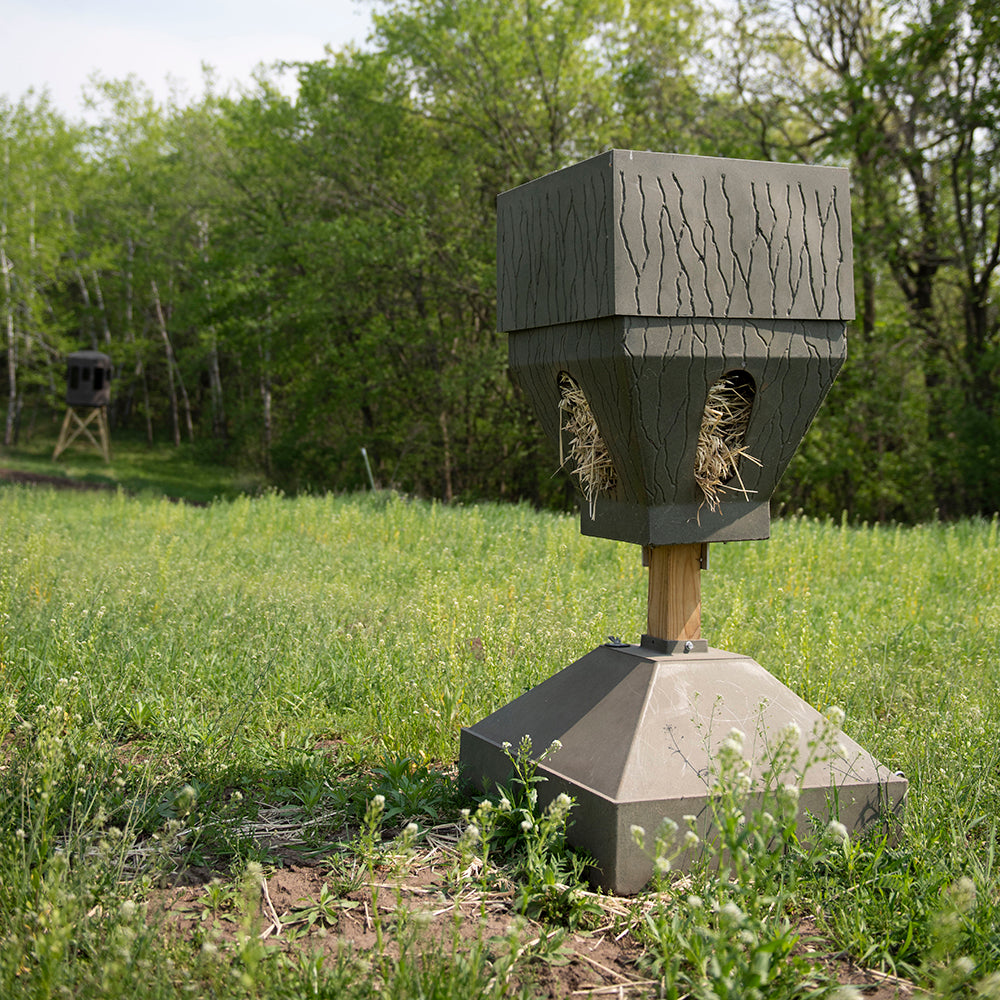
As rut season kicks into gear, the bucks and does might start to interact with your feeders and food plots differently. The influx of hormones and heightened awareness means that hunters will need to be extra vigilant to make sure that they’re tracking the deer activity appropriately. Don’t assume that the patterns you noticed over the summer will unfold the same way in the fall. Check out our tips, below, to learn how deer feeders impact movement during rut season.
Nocturnal Feeding
As the rut season heats up, so does the hunting pressure. There will be more and more hunters in the woods, and you’ll be spending time at your deer feeders keeping them stocked as the deer travel through the woods looking for mates. Mature bucks know that detecting human scent means that area is a hunting spot. If they smell your scent too heavily near your food plots or deer feeders, they’ll make sure to only visit the feeders at night when you’re not there.
Does, fawns and young bucks don’t have the years of hunting knowledge that adult bucks have, so they’ll be less wary and will continue to visit the feeders during the day. The rut season will eventually drive the bucks so crazy that they’ll start getting a little lax with their security measures, but until then, they’ll be cautious and stick to nighttime.
Our Feedbank Gravity Deer Feeders hold up to 600 pounds of feed, helping to eliminate human scent by allowing you to visit your feeder to refill it less often.
Changing Patterns
As crops are being cleared out and harvested, the deer herd might eventually run out of food on nearby farmland. If your property continues to have corn inside your feeders, the deer will naturally gravitate to your property to continue getting the same crop they’re used to. So, even though you saw the deer at the nearby corn field all summer, their patterns might change over the next couple months as their food options change.
Gathering Spot
The feeder on your property could become a popular gathering spot for the deer herd. Once the does find your property, the bucks will be soon to follow as they follow their scent to the feeder. Make sure you’ve set up your Stump blind near the feeder so that you can catch the herd as they come and go from the property. Bucks will scope out the area once they’ve smelled the does. So, if you see a doe on your trail camera, get yourself to your spot and set up shop until the buck comes through.
The rut season brings on a whirlwind of hormones that cause the bucks to prioritize finding does to breed with above anything else, even finding food. Keep your eyes on your trail cameras to monitor how often the does are visiting your feeders. Where there are does, bucks are sure to follow. Use our Feedbank Gravity Deer Feeders to keep your property stocked with the crops they’re used to, and take advantage of the large containers so that you can make as few trips to the feeding site as possible to minimize your scent and odor footprint.
How do you think deer feeders impact pre-rut movement and daylight activity? What have you noticed on your trail cameras and at your own feeders? Let us know in the comments below!
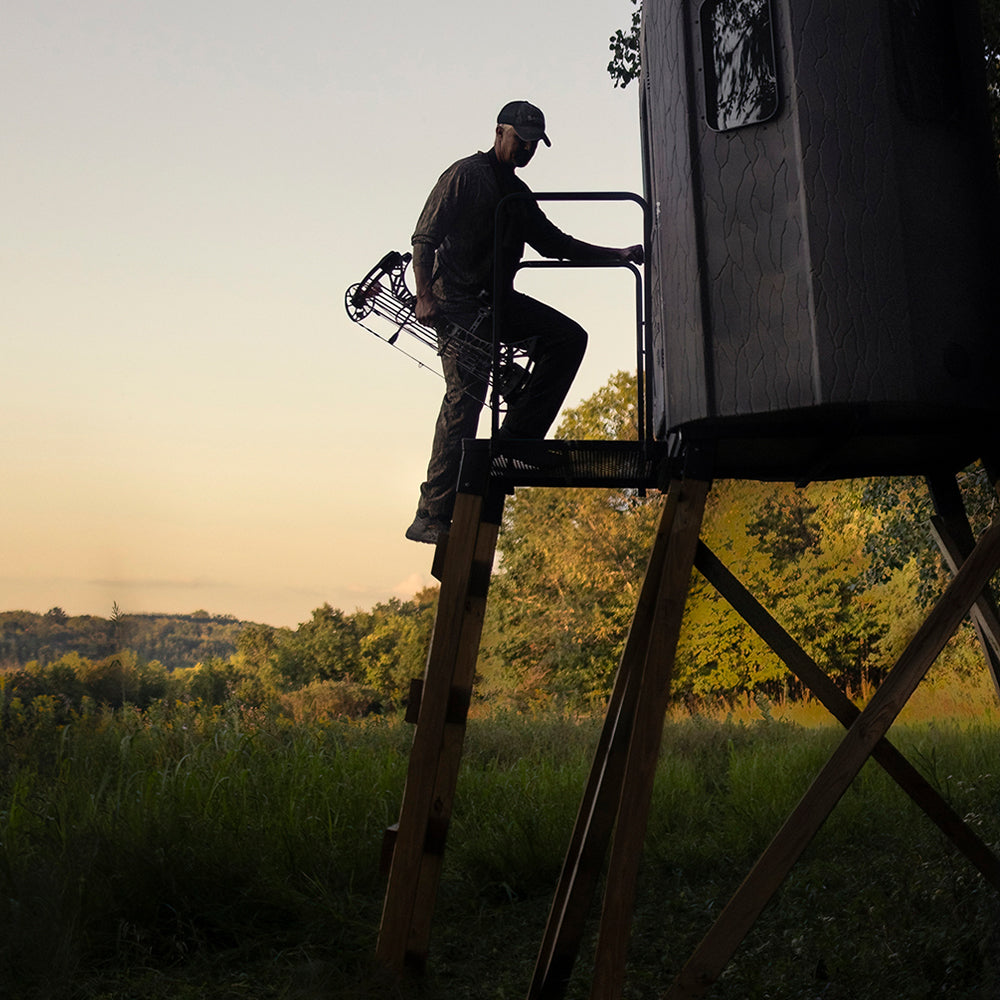

How to Get In and Out Without Getting Busted