

BANKS BLOG
Discover expert hunting tips, blind selection guides, and land management strategies from Banks Outdoors. From beginner basics to advanced techniques - everything hunters need to know.

Calling Strategies for October: When to Rattle, Grunt, and Stay Quiet
As the days start to shorten and people deck their houses out with Halloween lights, signaling that we’re in the thick of fall, hunters know this means that the rut season is about to begin. As the bucks get crazier and activity starts to kick up, we’ve got some strategies for how to call in those bucks using rattles and grunts, and when you shouldn’t use them at all. Check out our tips, below, for October calling strategies.
Hunting the Transition from Early Season to Rut Season
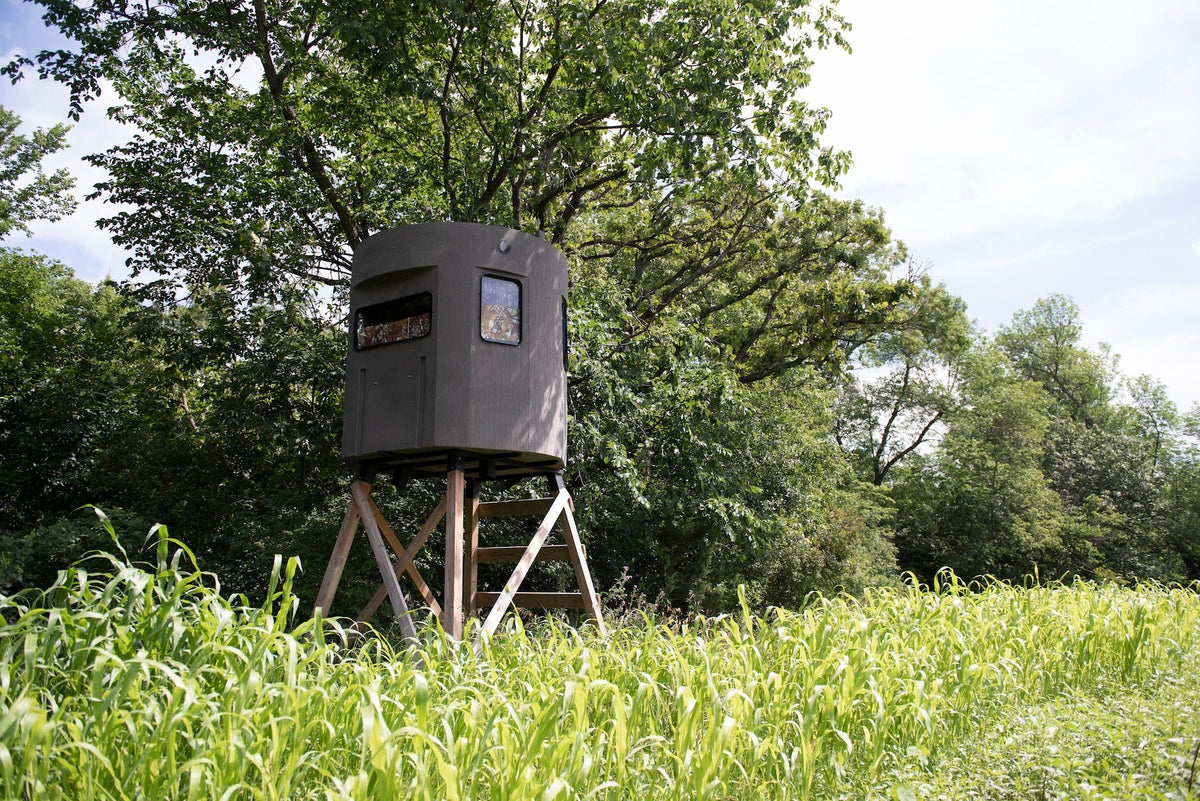
As the rut season approaches, start to adjust to the bucks’ new behavior and capitalize on all the activity the rut season stirs up. They’ll make their presence known through rubs and scrapes and start moving around more during the daylight hours. You can take advantage of all of this activity by scoping out the herd from your Stump blind. Check out our tips, below, to learn how you can use this information to fill your tags and get some venison in your freezer before the holidays.

The Best Blind Setups for October Cold Fronts
Understanding Buck Behavior During Early Rut
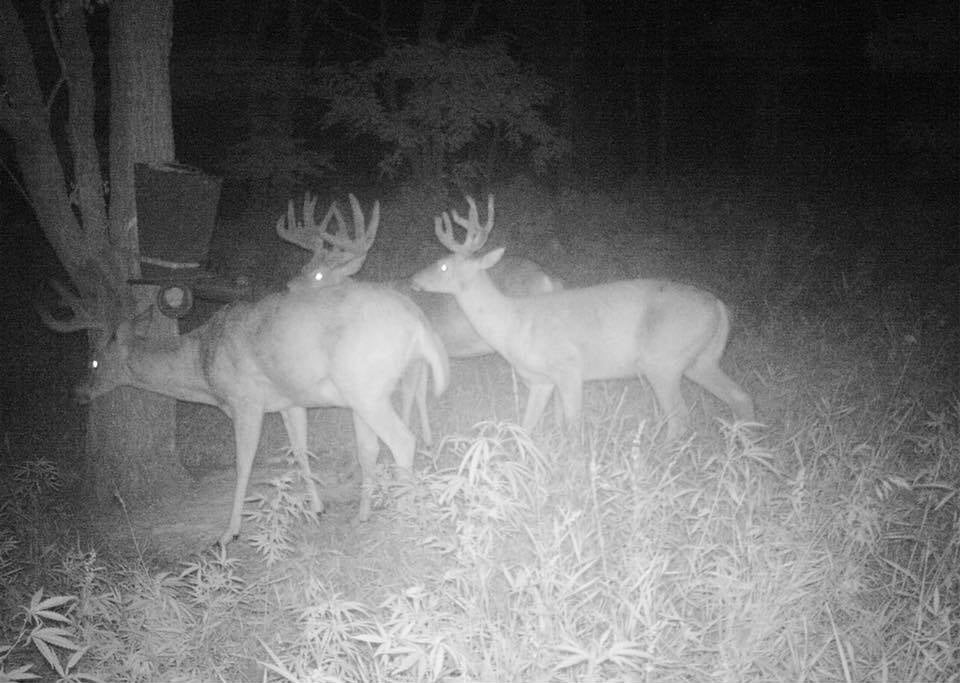
Even though the season just opened, it’d be beneficial to your hunting strategy to start thinking about the rut season and keeping your eye on buck signs during the early phases of the rut. We’ve got some tips, below, on how to understand and interpret buck behavior during the early rut season.
Early Season Feeder Strategy: Keeping Deer Predictable
How Cold Fronts Impact September Deer Movement
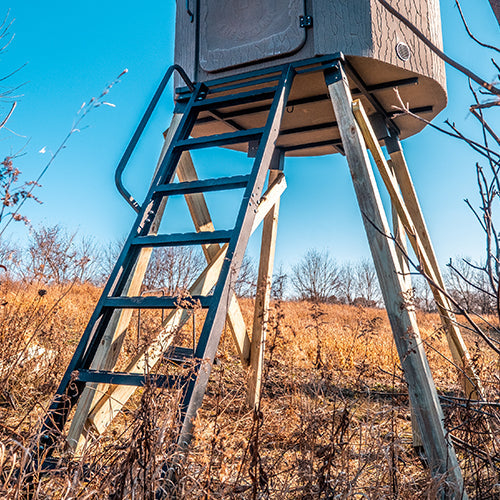
September is a month of transition where the weather changes from harsh summer heat to crisp fall chill. When temperatures drop about 10 degrees or more in one day, that will trigger an increase of deer activity. When this transition happens, make sure you’re ready to capitalize on the deer movement that this cold front will bring about. Saturday is the big day here in Minnesota, so check out our tips, below, to make sure you’re ready for your early-season hunts.

Why Elevated and Enclosed Blinds Outperform Tree Stands Early Season
Ground blinds and elevated hunting blinds have some clear advantages over tree stands when it comes to hunting deer, especially during the early season. Enclosed blinds hide your movement, contain your scent and allow you to see clearly in all levels of daylight. Check out our tips, below, for why elevated and enclosed blinds outperform tree stands during early season hunts.
Opening-Day Tactics: Morning Versus Evening Hunts Across Regions
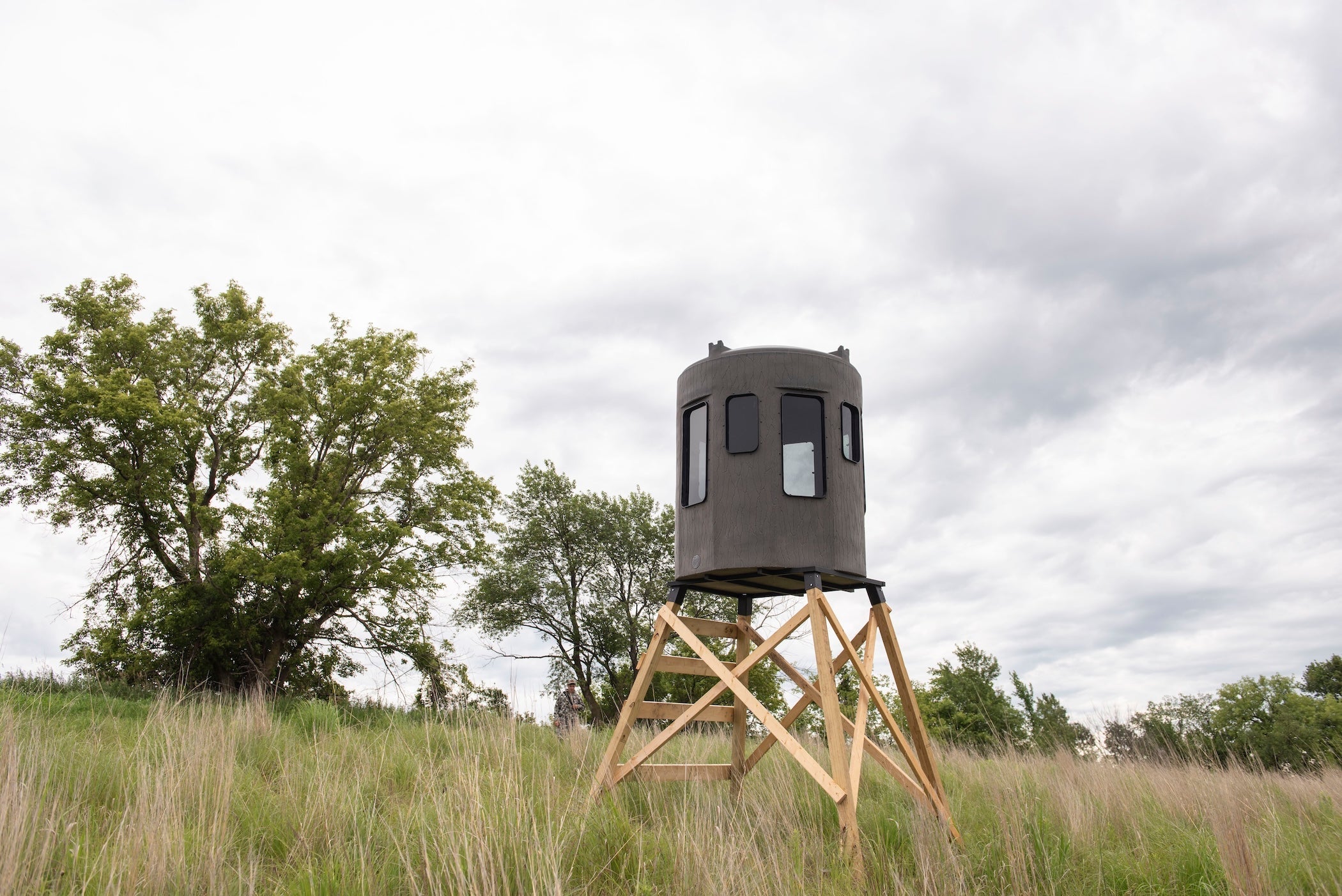
During the early days of deer season, deer tend to be a little more predictable than they are during rut season. The testosterone filled rut season usually creates a flurry of activity all day long, with no real rhyme or reason to when the bucks come out, they seem to be out and about all day every day chasing the does. Alternatively, during the early season, deer will predictably seek out cool spots in the heat transition from summer to fall. They’ll stay bedding down in their comfortable cover during the hottest part of the day and come out when the weather cools off in the evening. This is generally true for all regions, so we’ll break down why the deer stay so predictable and when you can expect the pattern to shift from evenings to mornings in this week’s blog, below.
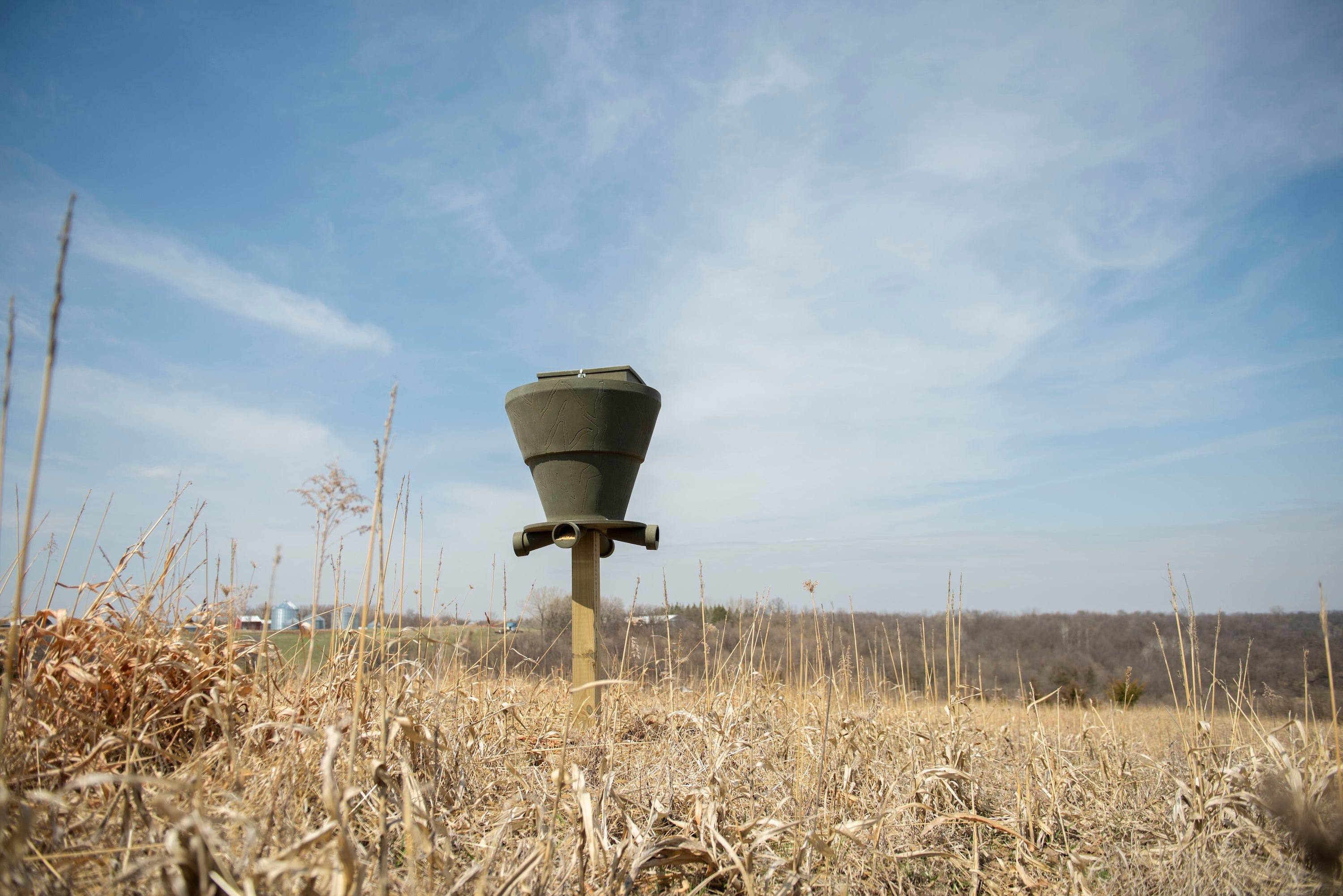
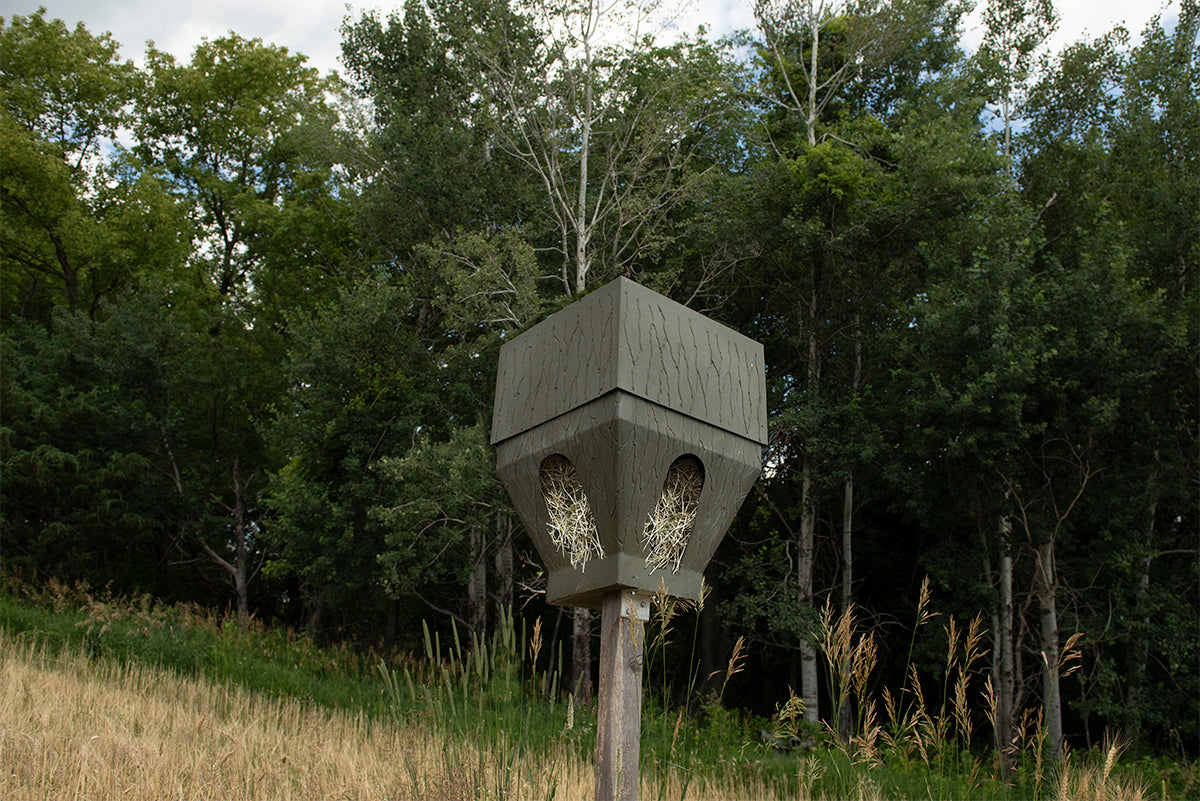
If you didn’t plant anything in the spring and are starting to panic that you don’t have a food source for deer season, don’t worry. As August comes to a close, you’ve got one more shot to plant a fall food plot to cultivate a food source that’s in bloom during the middle of deer season and rut season. Check out our tips, below, for how you can still create a thriving food plot that will bring deer to your property all hunting season.
How Weather Patterns Predict Early-Season Success
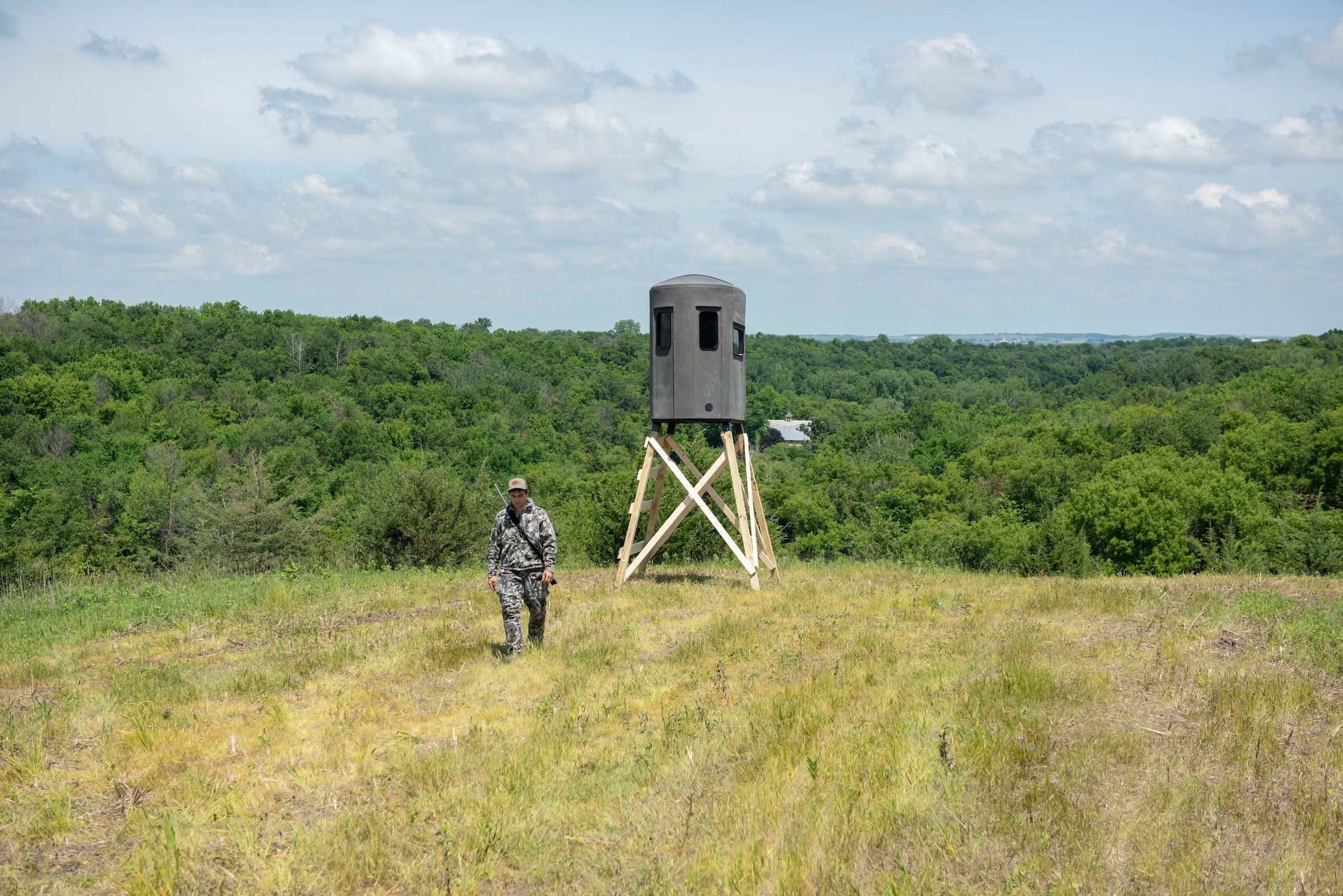
Opening day in most states comes during the seasonal transition between summer and fall. In many areas of the country, you may still be experiencing summer heat when the bell rings, but other states might already be chilly by the time it rolls around. Either way, the deer will be in tune to the drops in temperature and may change their patterns as the weather changes from the dog days of summer to a hunter’s haven fall. Check out our tips, below, for how the weather patterns might predict early-season success.
Final Blind Placement Checklist Before Opening Day
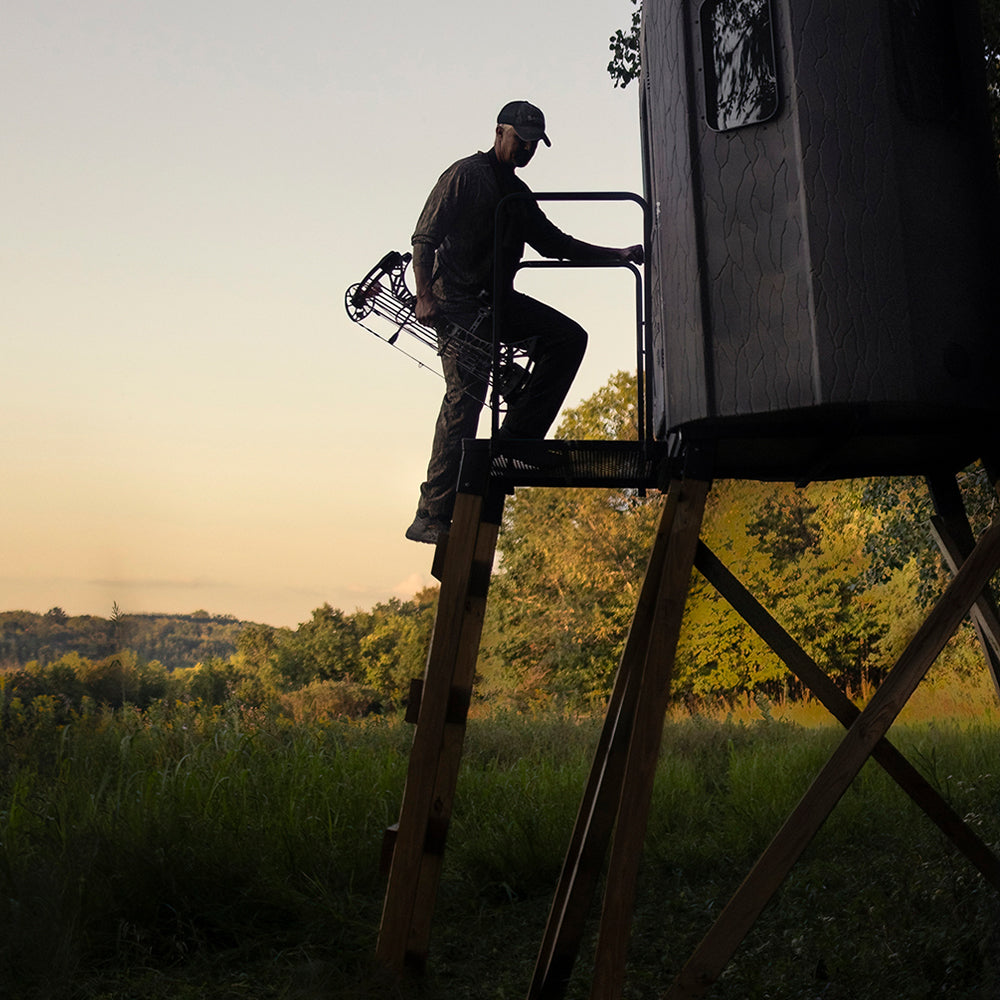
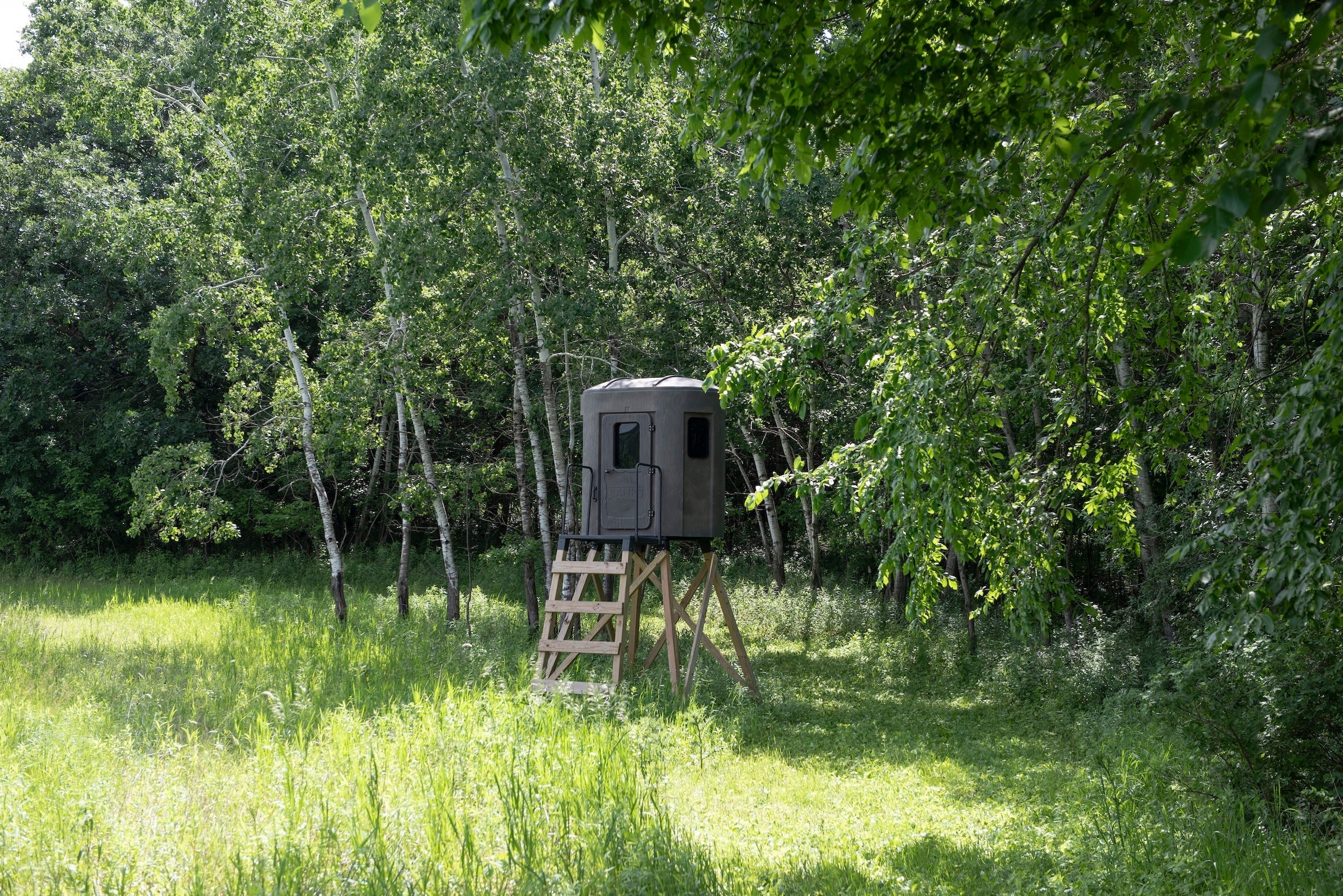
Opening day is coming up here in Minnesota on Sept. 19. If you haven’t already, now is the time to pick the prime spot for your Stump blind before the bell sounds on opening day. Setting up your blind now will give the deer herd time to get used to it, so they won’t be as startled by it when it’s go-time. Review our tips, below, for a final blind placement checklist.
Early-Season Deer Patterns: Where Mature Bucks Feed and Bed
Deer season is almost here! Just six weeks until opening day here in Minnesota, on Sept. 19. Since the season opens while it’s still technically summer, the deer herd will have plenty of crops to choose from before they start withering away in the colder weather. We’ve compiled some tips for how to spot early-season deer patters where the mature bucks will feed and make bedding areas.