

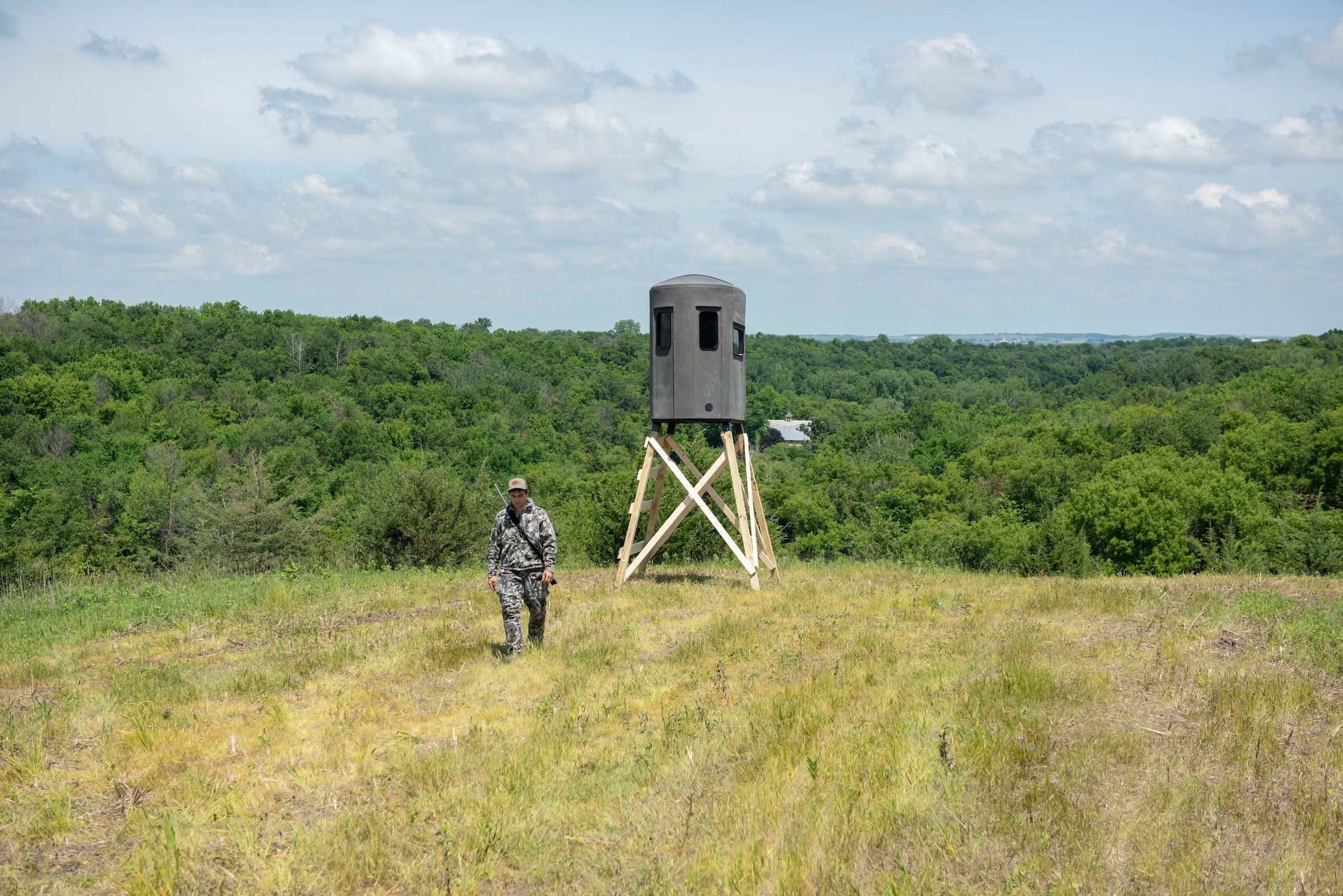
Opening day in most states comes during the seasonal transition between summer and fall. In many areas of the country, you may still be experiencing summer heat when the bell rings, but other states might already be chilly by the time it rolls around. Either way, the deer will be in tune to the drops in temperature and may change their patterns as the weather changes from the dog days of summer to a hunter’s haven fall. Check out our tips, below, for how the weather patterns might predict early-season success.
Temperature Fluctuation
Deer are sensitive to temperature fluctuation and rises in barometric pressure. This means that once summer winds down, deer will notice when there’s as little as a 10-degree temperature drop. During the hot summer months, deer are mainly nocturnal to keep cool and avoid the hot summer sun. When the temperature drops, they’ll shift their habits and become more active during the daylight hours. The transitional temperature between summer and fall, combined with the testosterone cycle, is what eventually leads to the October rut season encouraging activity during all hours of the day.
Barometric Pressure
Contrary to a drop in temperature, deer become more active when the barometric pressure rises. So be on the lookout for late summer/early fall storms. The barometric pressure will rise as these fronts pass through, which will cause a flurry of deer activity as they sense the pressure. The change will make them feel like they need to move since they’ll sense they need to find cover. If you can position yourself along a travel route by their bedding areas, that’s a prime spot to be during a front.
Changes in Wind
Deer are also sensitive to changes in the wind. When the wind switches directions from a warm southern breeze to a colder northern one, deer activity will pick up. As the winds change with the seasons, be mindful of where your blind is set up, are you upwind or downwind as you walk to your blind? Make sure you stay upwind from the deer if possible and spray yourself with a scent-eliminating spray when you move to and from the blind.
How Our Stump Blinds Help
Our Stump blinds have windows and doors that seal tightly, meaning that you should be safe from the deer’s high-powered noses while you’re inside the blind, but you should still be mindful of your scent when you leave your windows open to take your shot.
The blinds can also be moved easily around your property with the ski base. So, you can chase the deer activity as the temperatures drop and as storms come in. You’ll be able to be wherever the deer are at any given time.
As the season moves from summer barbeques to days spent in the blind, keep an eye on the weather and adapt to how it might make the deer move. If you can position yourself in active areas during temperature drops, rises in barometric pressure and late summer storms, you’ll be in a good place for early season success. Mark your calendars and check the weather on opening day here in Minnesota, Sept. 19 to start the season strong.
Have you noticed any correlation between weather patterns and early-season deer behavior? Let us know in the comments below!
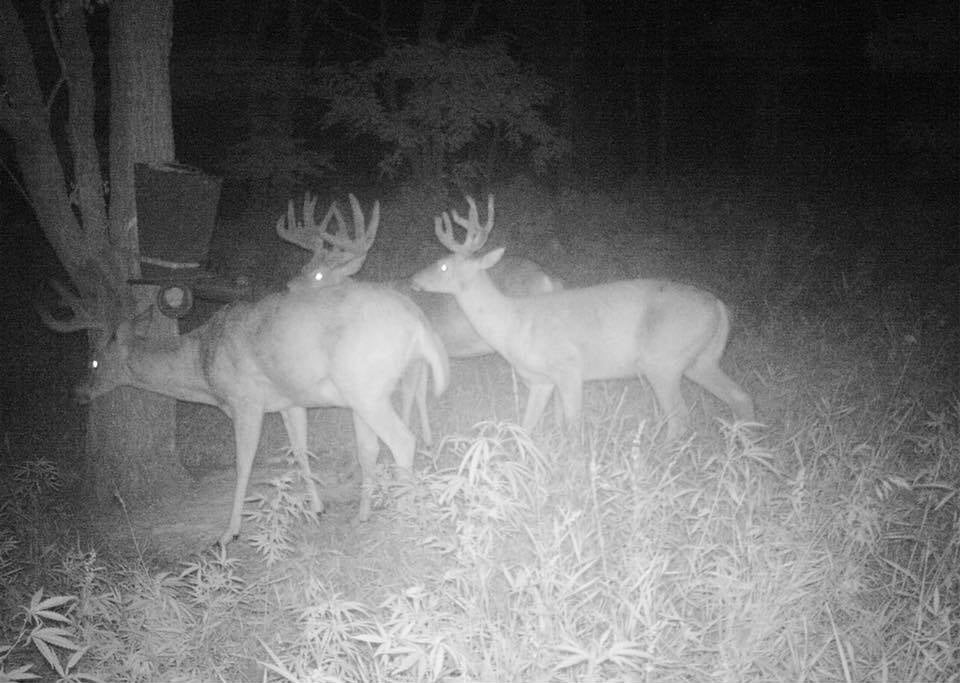
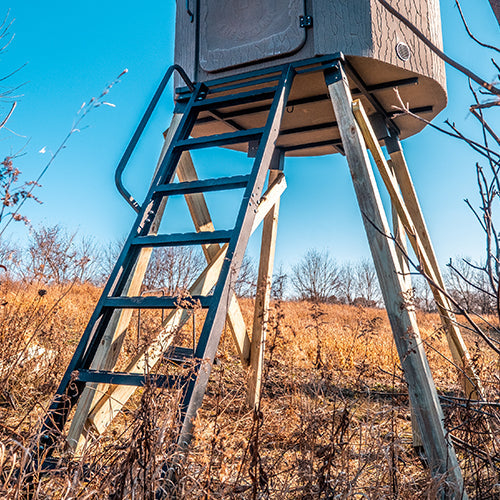
Final Blind Placement Checklist Before Opening Day
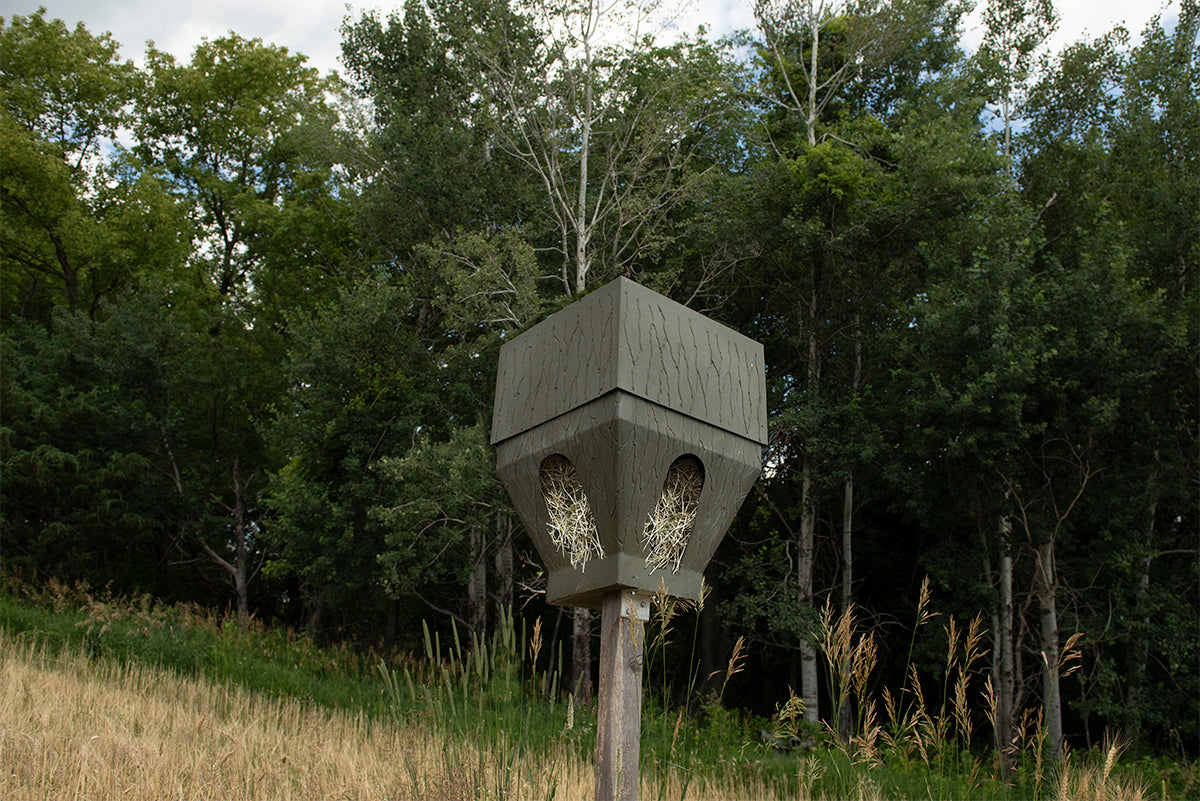
August Food Plot Strategies