

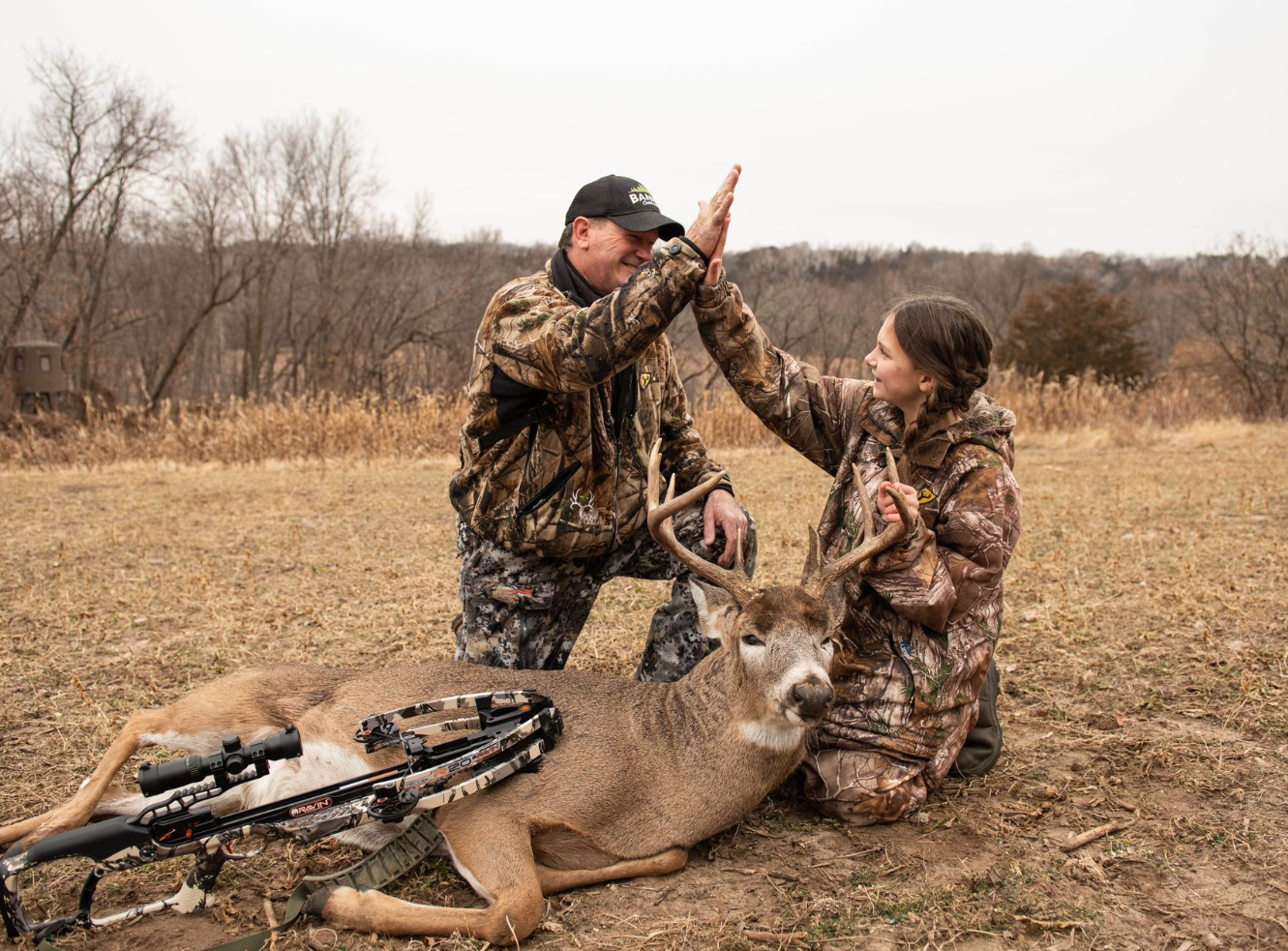
Starting now and continuing through April, deer will be shedding their antlers as they discard the current year’s set to regrow a new pair throughout the spring and summer. Head out and collect these antler sheds this spring and discover clues about the herd’s health.
Why Do Deer Shed Their Antlers?
The antler growing and shedding cycle aligns with a buck’s testosterone levels. The antlers themselves are made from calcium, phosphate and other minerals just like any other bone, but antlers only grow on bucks due to the testosterone trigger. As the testosterone levels rise, the bucks start building antlers. As the testosterone levels decrease, the antlers start to dissipate. These are done by osteoblasts, the cells that build the antlers, and osteoclasts, the cells that dissolve the antlers. Fun fact: these cells are what build and dissolve bone in any mammal, so that include humans. This cycle is what helps our adolescent bones slowly grow into adult bones and it’s the same process that heals our broken bones.
Because we know that antlers are made up of bone material and that they shed according to the testosterone cycle, we can generally assume that the longer a deer holds onto their antlers, the healthier the deer is. Antlers without proper minerals will deteriorate faster and fall off in the winter. Stronger antlers will hang on longer and might not fall off until April.
Where to Look
You can find antler sheds almost anywhere, but there are a few places where they are more likely to fall off. Among these prime locations are areas where the deer would have to jump over something, like a fence, a fallen tree, or a narrow creek. The act of the deer hitting the ground after they land could rattle the antlers and jar loose any that are ready to fall off.
You can also find them near deer bedding areas. So, look in the usual places around your property that you normally see the deer bed down. Focus on areas of thick cover near your food and water sources. You can also focus on south-facing areas, where cold wind is blocked and the deer will receive lots of sun as the weather continues to try to warm up.
Our Feedbank Gravity Deer Feeders Protect Antlers
As always, our Feedbank Gravity Deer Feeders have you covered. You can use our deer feeders to help ensure the deer have enough room as they feed to move their antlers around freely. Other feeder designs have a multi-post tripod design that locks the deer antlers in and makes them clack against them as they feed. This could damage the antlers or cause them to fall off prematurely, before they would have naturally. Observing when the deer’s antlers fall off is a good sign to the overall herd health. Our single-post design allows the deer to move freely and keeps the antler health intact.
Be on the Lookout
As we transition into a new season, keep your eyes on the ground and take stock of your deer herd’s health. Check near your Feedbank Gravity Deer Feeders and anywhere the deer would bed down or have to jump. When you do find the sheds, note their weight and analyze whether they are frail or sturdy. If the deer in your area have light, weak, antlers, make sure you put out more feeders or stock a stronger variety of different feed this spring.
How do you scout for deer antler sheds? Let us know in the comments below!


What Do Deer Do in February?
Early Spring Deer Movement: Melting Snow, Fresh Sign, and New Patterns