

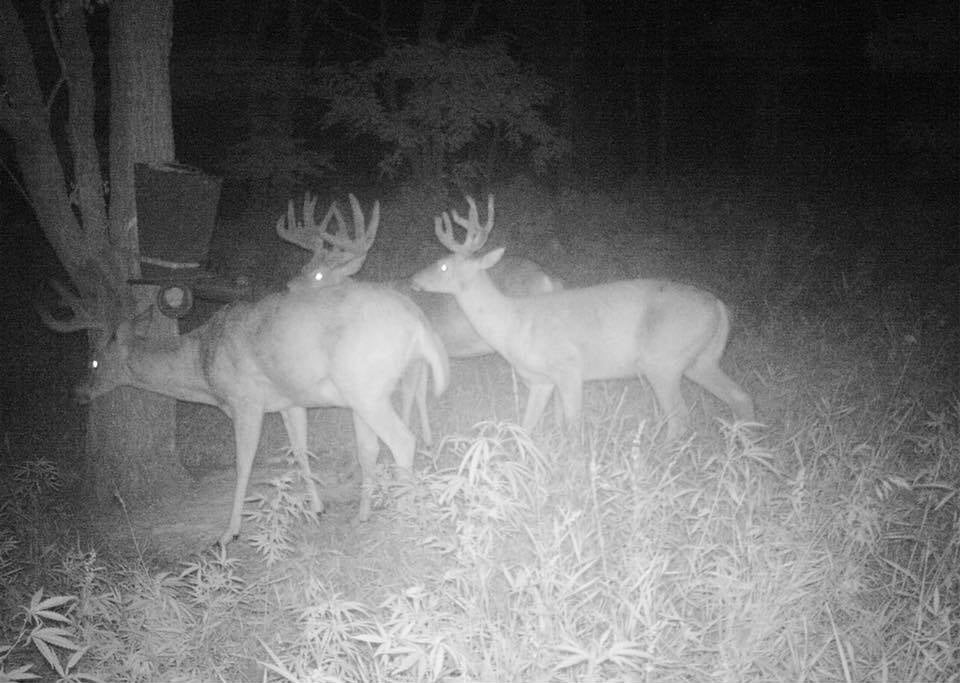
Even though the season just opened, it’d be beneficial to your hunting strategy to start thinking about the rut season and keeping your eye on buck signs during the early phases of the rut. We’ve got some tips, below, on how to understand and interpret buck behavior during the early rut season.
Testosterone Rises
Let’s start with the main reason the rut season exists in the first place: a buck’s level of testosterone. Bucks’ hormone levels rise and fall on a curve, following the same pattern every year. It’s even keel in the summer, steadily rises from fall to winter, and drops in the spring. The testosterone fluctuation is what causes the rut season to happen from roughly October to December, it’s the culmination of the peak testosterone levels.
Antler Shedding
This rise and fall of testosterone also causes the growth and shedding of their antlers. As their testosterone builds, so do their antlers. When they’ve started to reach the height of the hormone levels, the protective velvet layer that had been shielding the new bone as it grew can be shed. The bucks will start to instinctively rub and scrape the velvet off their antlers on trees and branches. While the antlers are growing, the velvet is full of active blood vessels that make the antlers sensitive. When their testosterone rises and the antlers have finished growing, the velvet will dry out, crack and become itchy, so it needs to be sluffed off, much like a scab. If you find evidence of velvet pieces on the ground or antler scrapes on the trees, that’s a good sign there are bucks nearby.
Territory Marking
While the bucks will scrape their antlers on trees to get rid of the velvet, they’ll also be making scrapes and rubs to mark their territory for the upcoming rut to signal to any local does that they are nearby. Scraping their antlers on trees, rubbing their hooves on the ground, licking the branches and urinating on the ground are all ways bucks will leave their scent for the does.
Upping Food Sources
To prepare for the upcoming rut season and subsequent cold winter, deer will begin to shift from summer crops to a heavier diet of acorns and more nutrient dense crops and fruits, but will also stick to their preferred corn and soybeans where available.
Buck Groups Will Start to Dissipate
As the rut season gets closer, the groups of bucks that gathered during the summer will start to peel off onto their own to start to separate themselves for mating. So, you will begin to see more instances of individual bucks by themselves.
Know the Signs
If you know what you’re looking for during the early rut season, you can harvest a buck before the rut season even starts. At the very least, the knowledge you’ll gather from the early signs will point you in the right direction for the rut season and give you a good sense of the general makeup of the herd, how many bucks versus how many does. If you see that there are more bucks than there are does in the area, you’re in for a crazy rut season as the bucks try to compete for the few does. This should show you that you’ll need to use antler rattles to attract battling bucks, giving you valuable insight going into rut season.
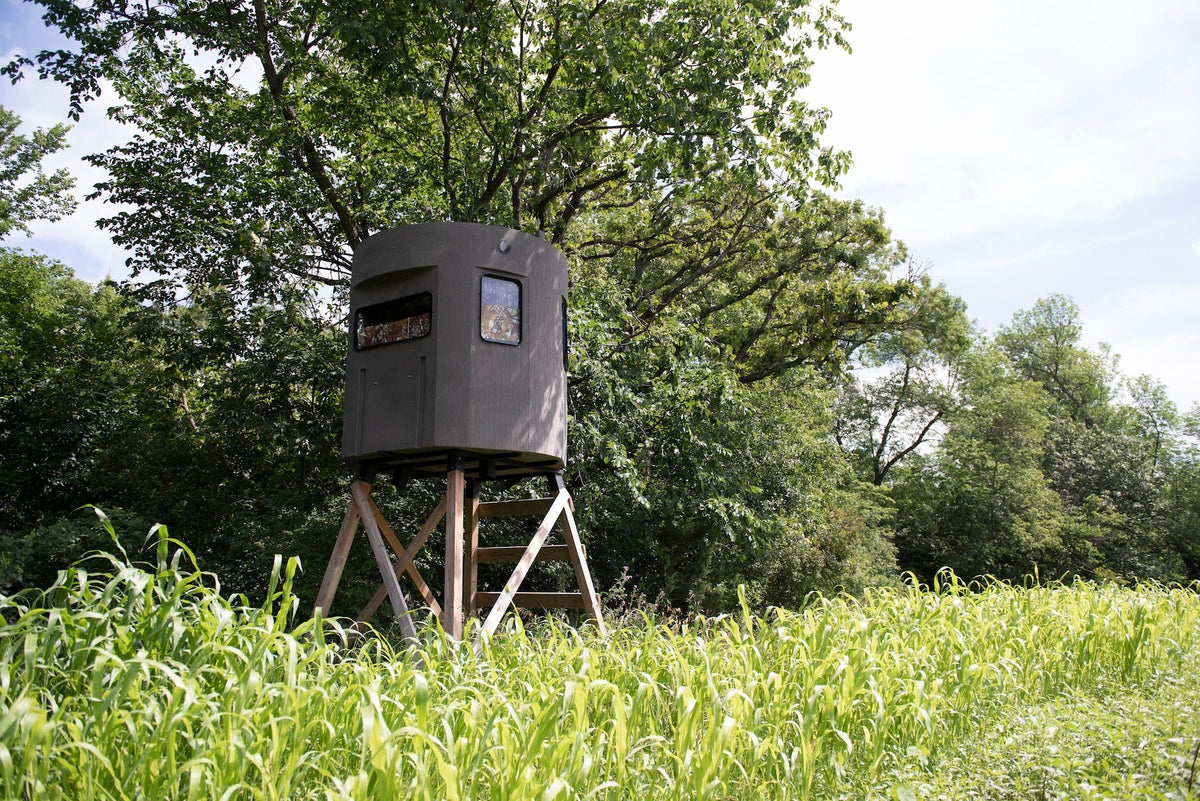
You can use our Stump blinds and Feedbank Gravity Feeders to help you harvest that buck and reap the benefits of your research. Get yourself set up now and enjoy all the activity the fall rut season will bring.
What do you notice about buck behavior during the early rut season? Let us know in the comments below!

Early Season Feeder Strategy: Keeping Deer Predictable
The Best Blind Setups for October Cold Fronts