

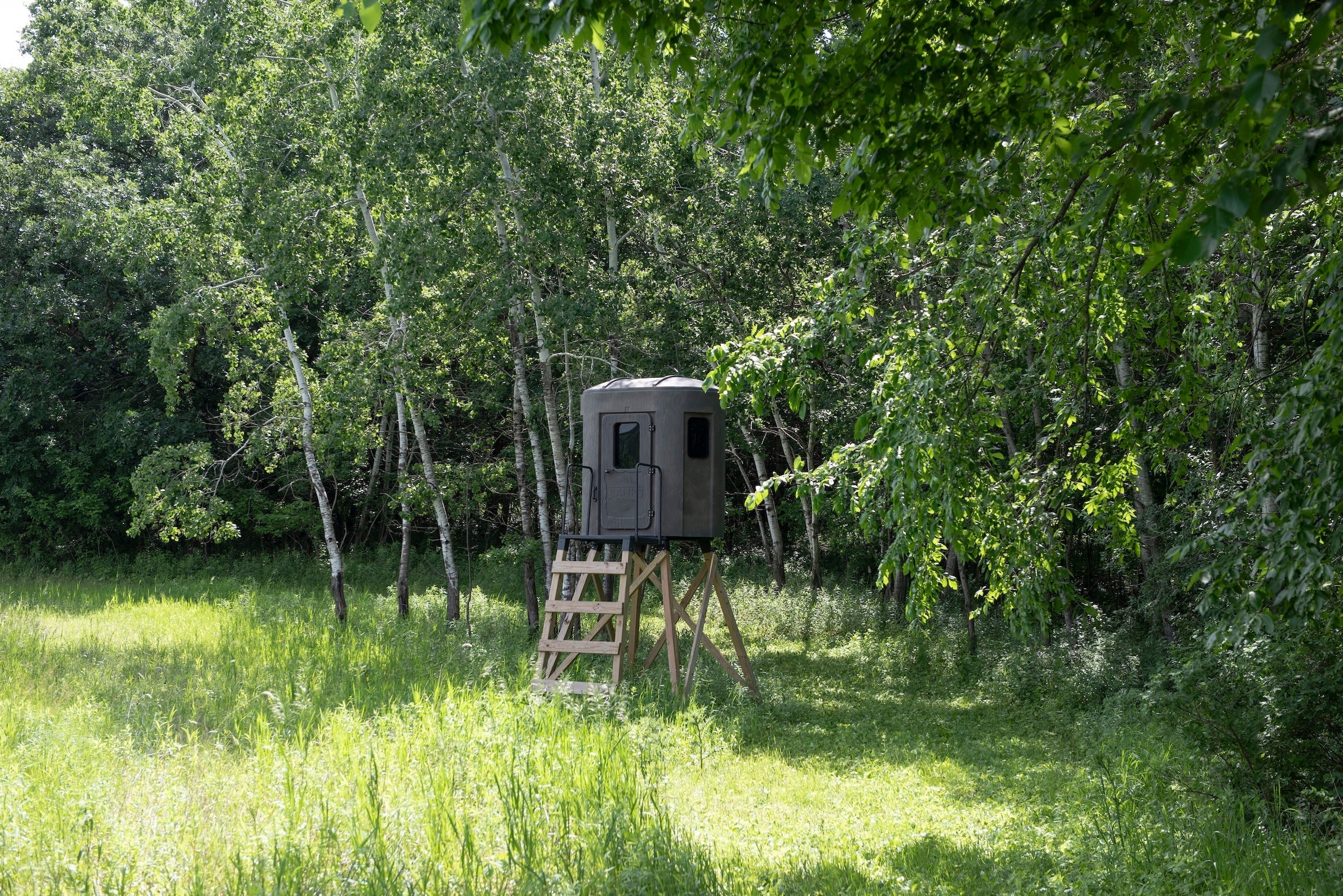
Deer season is almost here! Just six weeks until opening day here in Minnesota, on Sept. 19. Since the season opens while it’s still technically summer, the deer herd will have plenty of crops to choose from before they start withering away in the colder weather. We’ve compiled some tips for how to spot early-season deer patters where the mature bucks will feed and make bedding areas.
Go for the Greens
These last few weeks of summer will lend themselves to green fields of soybeans, alfalfa and clover, all of which are crops that deer love to graze on. Make sure you hunt these fields while they’re still lush, plentiful and bringing in the deer herd. If you can capitalize on these crops in the early season, you might even tag out by Halloween. If you have these crops on your property already, keep your eye on them as long as you can because the deer will keep visiting until the crops dry out or until the deer have picked them clean.
Follow the Drops
Deer love apples and acorns. The fruit of apple trees will ripen and drop in August and September. Acorns will drop anytime starting in August, through the fall. Deer particularly like white oak acorns, so check and see if you have any of those acorn forests in your area. Make sure you position yourself in these tree groves so that you’re catching the deer as they go to collect the fruit and nuts.
Finding Shade
In regions where it is still hot during the opening month, deer will continue to look for areas of heavy cover for shade and bedding areas to beat the heat. If you can find an area of overgrown shrubbery, low-hanging branches among groves of acorn or apple trees, with nearby access to water, you’ve hit the jackpot.
Mature bucks have also learned that areas of heavy cover provide security. They’ll gravitate to these areas, not just for the shade, but for the protection the foliage will provide.
You might also find mature bucks on the edges of slops or on north-facing trails to beat the late-summer, early-fall heat by facing away from the warm, southernly winds and into the cooler northern winds.
Stock Your Feeders
Make sure you’re keeping your feeders stocked with soybeans, alfalfa, clover and other popular crops to match what the deer normally eat during this time of year. Your property will be even more popular if these crops don’t exist naturally anywhere nearby. Our Feedbank Deer Feeders can hold up to 600 pounds of feed, so you can set up our Feedbank 600feeder and be set for quite a while, keeping the deer on your property through end of the off-season and into the early hunting season. As always, make sure supplemental feeding is legal in your area before you put out our Feedbank Feeders.
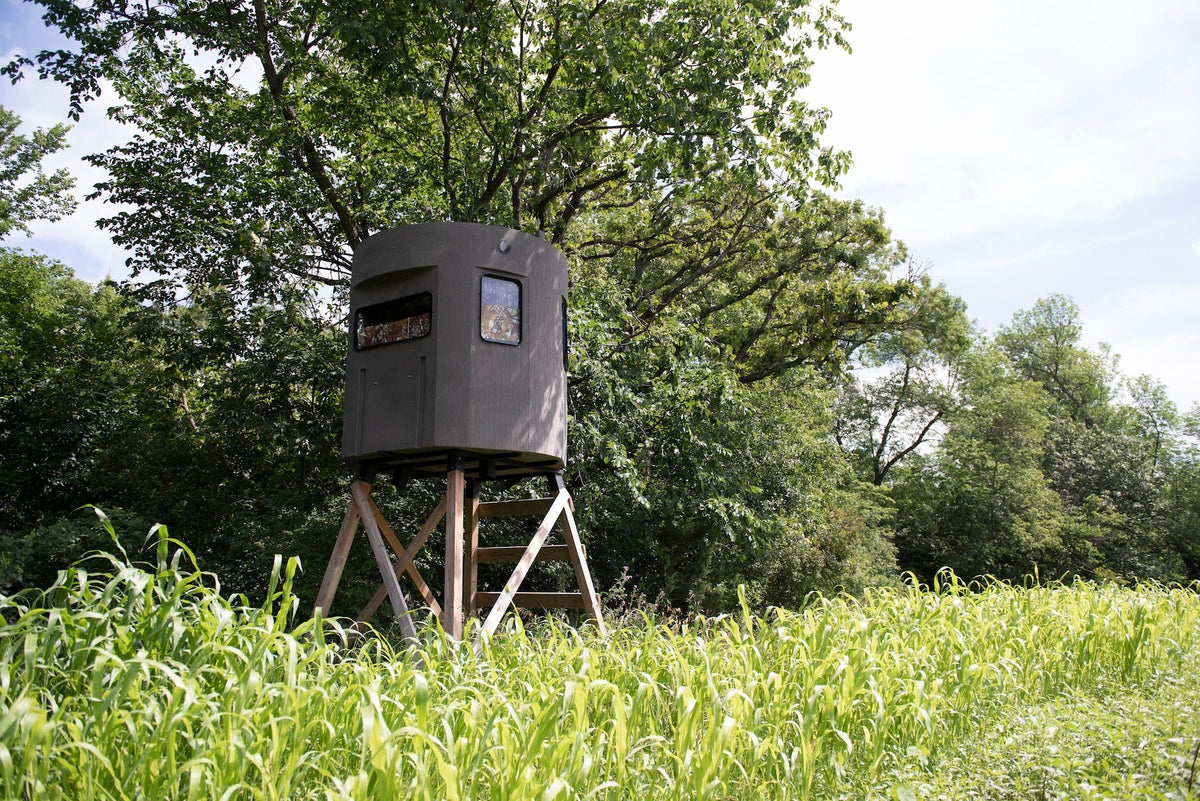
Finding areas of shade, zeroing in on acorn and apple trees, and keeping your feeders stocked will ensure that you’re right among the action as hunting seasons open around the country. Once you find these areas, drop your Stump blind into the hotspot and start scoping out your shooting lanes, entry points and hang your trail cameras to further track the early-season deer patterns.
Where have you noticed that bucks feed and make their bedding areas during late summer and early fall? Let us know in the comments below!


How to Identify Target Bucks Before the Season Starts
Final Blind Placement Checklist Before Opening Day