

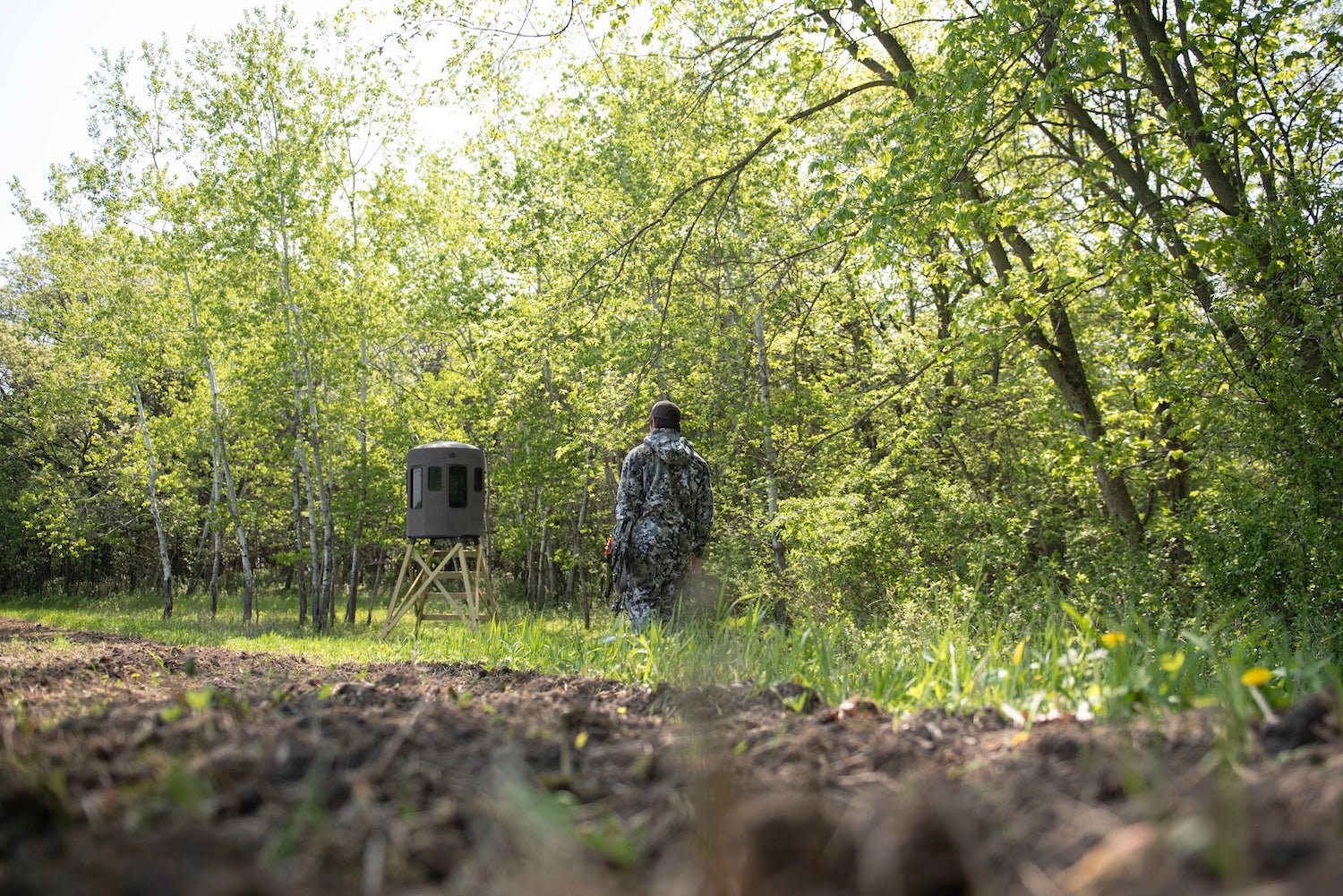
Deer hunting season opens in less than two months here in Minnesota on Sept. 19. Between now and opening day, you can do some early research to find out if there are any bucks in the herd you want to put on your radar to target in the fall. Check your state’s regulations to find the bag limits for your area and check out our tips below for how to identify target bucks before the season starts.
Determine the Bag Limit
Each state has their own laws and regulations around bag limits. Some states allow you to take multiple deer, some let you take more bucks than does, and some only let you take one deer. It all depends on the conservation needs of that specific state.
For example, in Minnesota you are allowed to take one buck and up to four antlerless deer for a total of five. Some areas are specific within the state. One county might let you take deer of either sex, some may let you take two deer and some may let you take three. Pay special attention to the exact areas you’re planning to hunt and make sure you have marked down which regulations go with what area before you set out on your hunts.
Set Up Your Cameras
Once you’ve determined what your specific limit it, you can scope out the herd on your trail cameras and start identifying which bucks you want to focus your efforts on in the fall.
Set up your trail cameras near areas of high traffic like field edges, water sources, food sources and bedding areas. Make sure your cameras are spaced out along the path so you can track where the deer herd travel. If the show up on your first camera at 7:00 in the morning and don’t pass by your next one until noon, they’re likely staying in the area between those locations for a considerable amount of time and they’re showing up during legal hunting hours. Meaning, you can capitalize on this recognizance information and make sure you’re in that area come hunting season.
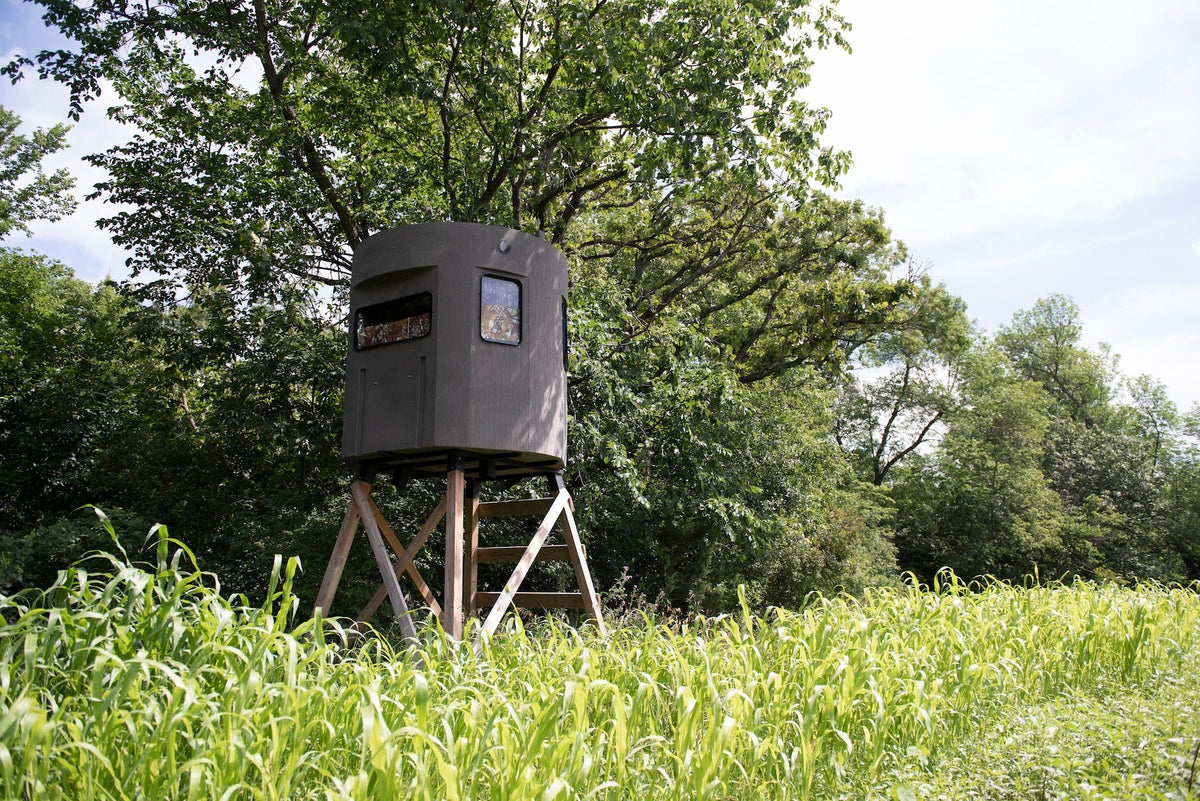
You can use this information to determine where you place your Stump blind on your property if you haven’t set it out already. You can place the blind along this travel route to maximize on the opportunities. You’ll be able to camp out inside the blind during their active travel hours and know it should be just a matter of time before they pass through. Blinds like our Stump 2 “Scout” are very easy to move around thanks to the ski base, so you can pick up the blind and haul it to a new spot with the rigid steel hitch if you ever find that the deer herd’s patterns have shifted.
Watch for Velvet Shed
Deer will begin shedding their velvet in the next couple months, so you can use this to determine whether there are bucks in your area, giving you vital information even if you don’t have trail cameras. Only bucks grow antlers and shed the velvet that covers the bone, so if you find velvet sheds around your property, it’s safe to assume bucks are nearby. Shedding velvet is a sign of healthy antler growth, so the bucks will likely have solid antlers come fall.
Watch for signs of bucks throughout the summer months and start identifying the ones you want to hunt come opening day. You might get lucky right as the opening bell rings or you might have a season-long chase on your hands. Either way, scouting out potential targets will give you some great prep-work this summer.
How do you identify your target bucks before the season starts? Let us know in the comments below!


How Water Systems Shape Summer Deer Patterns Across Regions
Early-Season Deer Patterns: Where Mature Bucks Feed and Bed