

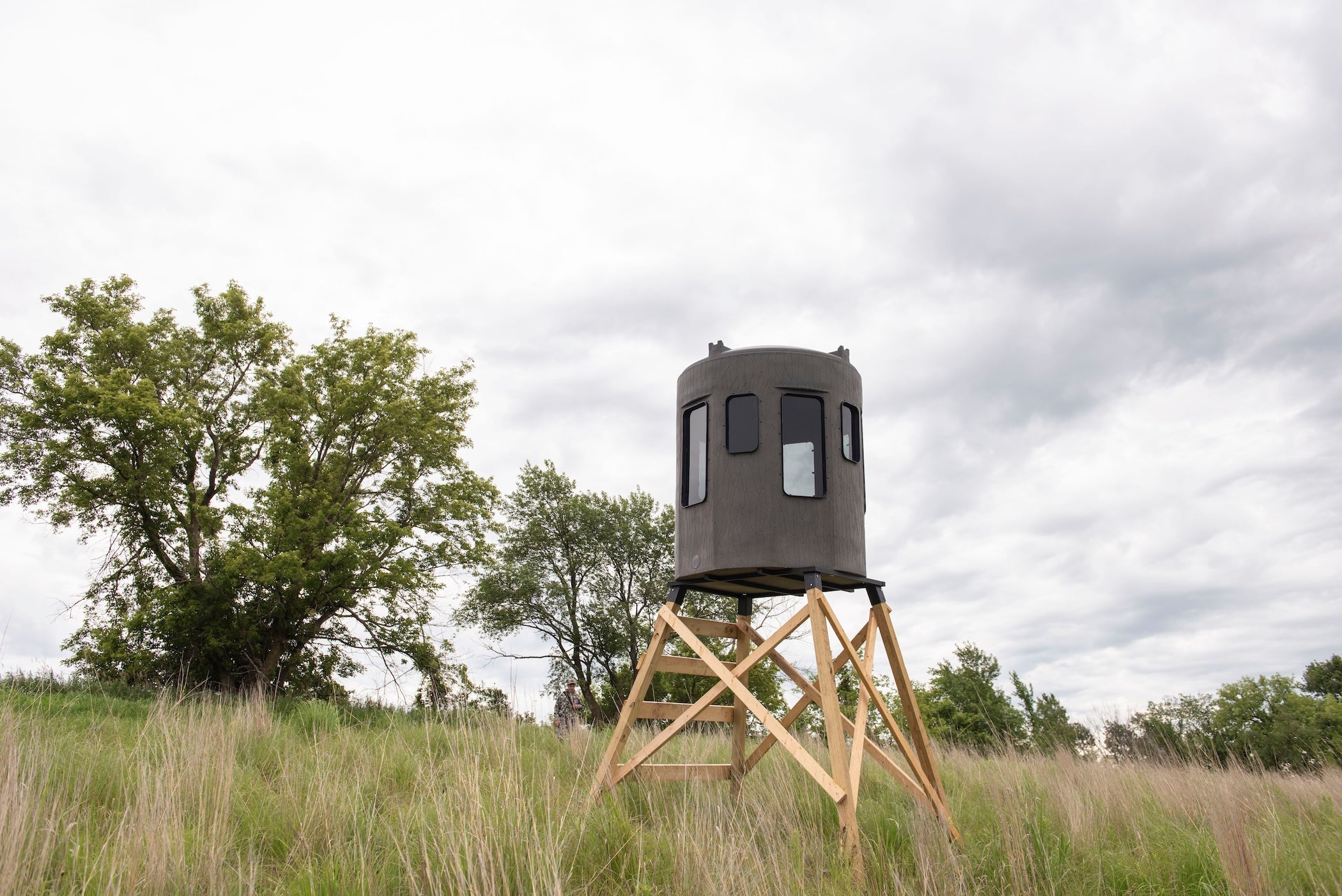
Most hunters know that an overhunted area is an underpopulated one. Spending too much time in one spot or having too many hunters in an area too often will lead to hunting pressure. Deer can sense this pressure and will learn not to return to it during hunting season. That said, once that pressure cools down, the deer will start migrating to those areas again and the pattern can start over. Learn more, below, about how a deer’s behavior changes post-season when the hunting pressure drops.
Clint McCoy, deer biologist at the Ohio Department of Wildlife, conducted a study in 2014 that found that there was an immediate correlation between the amount of time a hunter was in a stand or blind and the likelihood the deer were to return to that area. He found that the likelihood of a deer returning to the area was cut in half if the hunter had been in the stand for 12 hours over the course of a week. Note that this applies if the 12 hours were split up over a few hunting days per week. He found that if you let the spot rest for at least four days, the spot basically “reset” and the hunting pressure no longer factored into the deer behavior. But if you hunt one day, then go back a day or two later, the deer know to avoid it.
A 2021 article by Deer & Deer Hunting that analyzed hunting pressure studies had the same findings. They found that deer have essentially started to learn to avoid the weekend, since that’s when the majority of hunters are in the blinds and stands. They found that there was minimal activity over the weekends. The activity continued to be minimal on Monday and Tuesday during the “cool down period,” then sharply increased on Wednesday with the most activity on Thursday and Friday, before it began to decline again on Saturday.
They also found that, in addition to laying low throughout the day, the deer would move in smaller circles during those pressured days, covering less ground. To no surprise, deer will also seek out areas of thicker cover to hide from the hunters during times of hunting pressure. So, now that it is post-season and hunters haven’t been in their blinds and stands for a while, the deer should have returned to their usual patterns and wider ranges.
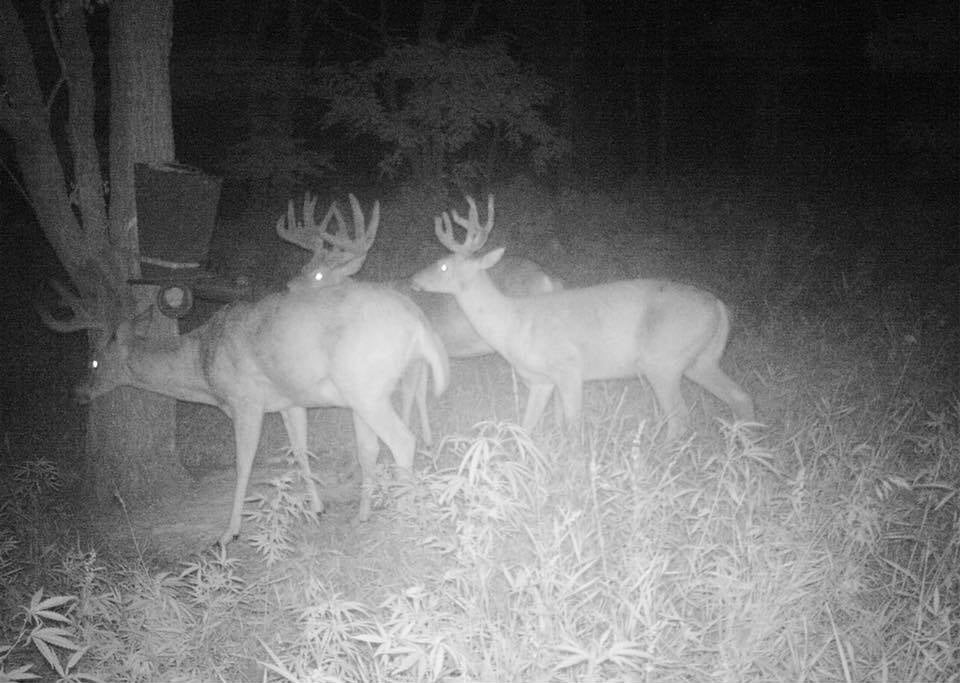
These finding are why having a Stump blind makes hunting so much more efficient. The ski base and steel hitch allow you to easily move your blind from one spot to another throughout the hunting season to avoid putting pressure on your favorite spots. You’ll be able to hunt as many days as you want to, as long as you move your blind with you. If you like to leave your blind where it is, Stump blinds are designed for that too. The natural color and circular tree stump design help the blind blend into the landscape. So you can leave your blind alone for a few days and come back to it when the pressure has worn off. During this off season, you can set up trail cameras outside your blind to track deer movements and analyze the makeup and health of the deer herd so you’ll be ready for next season.
Have you noticed changes in deer behavior after the hunting pressure has dropped? Let us know in the comments below.
The Best Late-Season Blind Setups for Snow and Subzero Temps
How to Use Feeders to Support Herd Health Before Spring Arrives