

Deer season opens in a little over a week, on Sept. 13, here in Minnesota. Are you ready for your first hunt of the season? We’ve compiled a guide for how to avoid some of the common mistakes hunters make at the beginning of the season. Check out our tips, below, to avoid the same blunders.
Making Yourself Patternable
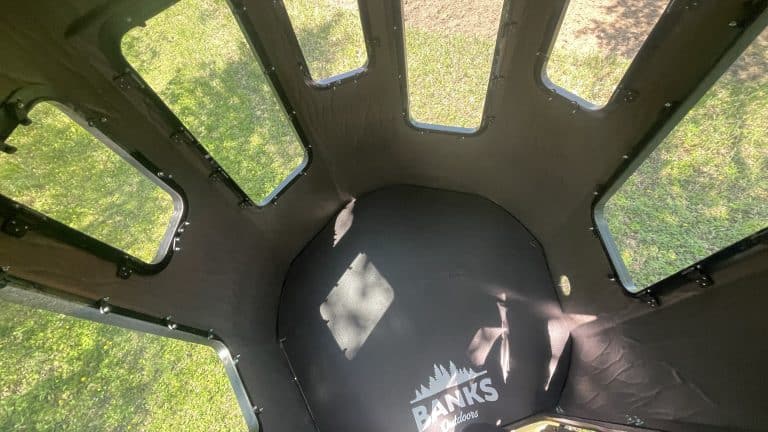
A common mistake hunters make is hunting the same area too often. It is certainly tempting to go back to the same area where you bagged a monster buck again and again, but if you hunt from the same area too often, the deer herd will eventually become wise to your patterns and start avoiding the area altogether. Make sure you move your Stump blind around the hunting property periodically. Our Stump blinds have a sled base, so they’re easy to move from one spot to another throughout the season by hooking it up to an ATV or trailer with the steel hitch. If you do leave your Stump blind in the same spot for a while, try to come at it from different paths.
Hunting Too Close to Main Sources
It’s also not a good idea to hunt too closely to a deer’s food source, water source, or bedding area. These areas should be kept relatively safe. While you want to target paths and areas near these sources, keep in mind that “near” is the operative word. You don’t want to be too close. Try to hunt on the trail that leads to the sources rather than directly on top of the source. You don’t want to ruin the sources for the rest of the herd by marking that area as dangerous. If you’re using our Feedbank Deer Feeders or Wild Water Systems, you’ll be able to control how close to the trail you place the systems to give yourself some buffer room. Check your state’s hunting regulations to make sure supplemental feeding is legal in your area.
Not Checking the Weather
It will put you at a disservice to assume that the weather will be mild just because it’s early fall. Keep your eye on the weather forecast to catch any cold fronts that pass through. While official scientific studies are mixed, many hunters believe temperature has a direct correlation with deer movement. They believe deer can sense even the slightest change in temperature and will make a move to lower ground or thicker bedding areas to prepare for the change. Make sure you’re catching the deer as they make this trek.
Using Deer Calls Too Aggressively
While deer calls are a great way to bring in deer, doing too much too soon can have the opposite effect. You don’t want to overwhelm the herd with calls this early in the season. As rut season approaches, you can begin to call more frequently and aggressively to match the natural behavior of the herd, but until then, try to use them sporadically.
Hopefully these tips will help guide you on what to do and what not to do to avoid common hunting blunders. Get your Banks Outdoors products ready and go confidently into the 2025 deer season.
What early season mistakes would you caution new hunters against? Let us know how you overcame your hunting blunders in the comments below!


Prepping Your Gear Now for a Smooth Opening Day Hunt
Opening Day Strategies: How to Be in the Right Spot at the Right Time