

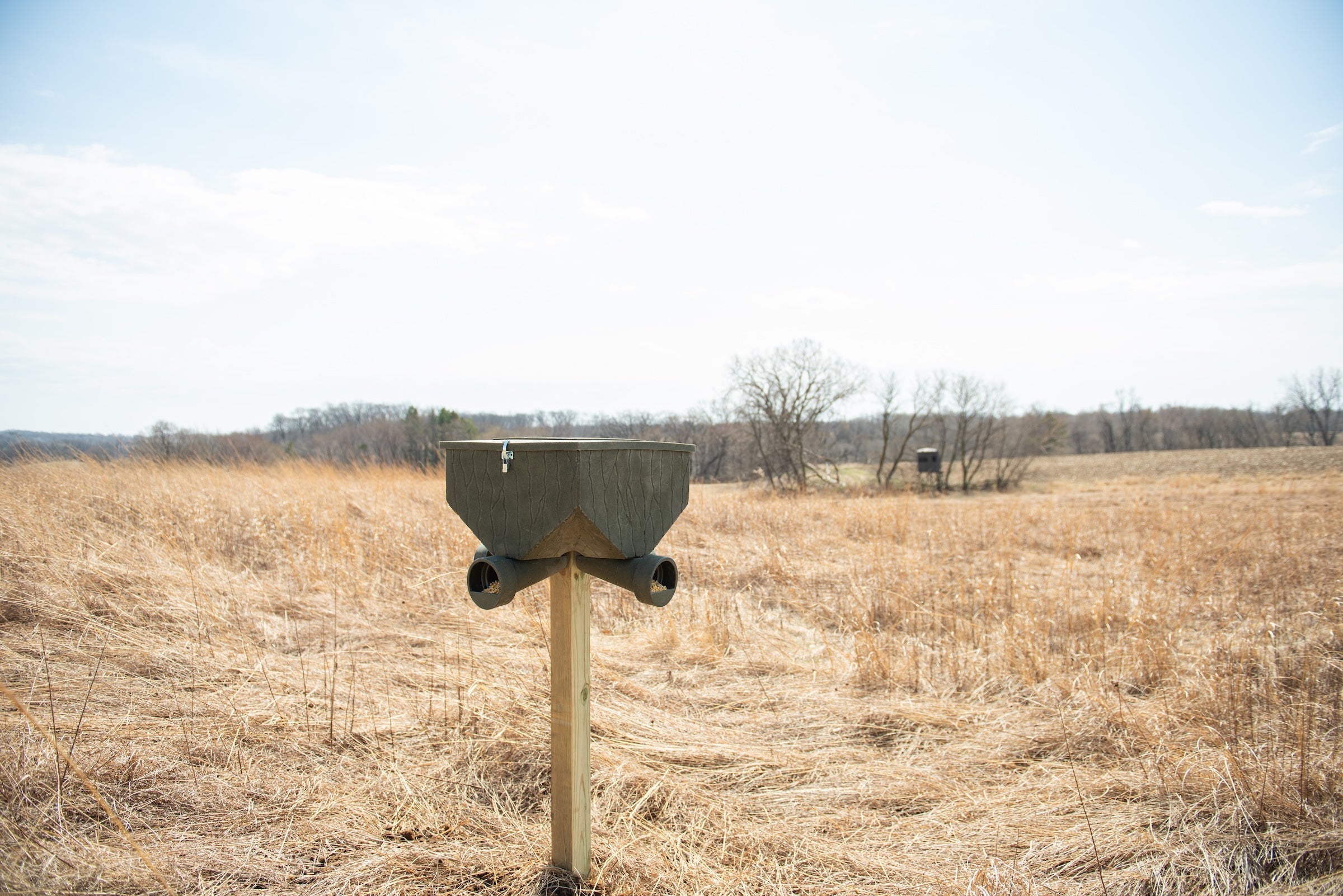
Deer have adapted their lifestyles to accommodate the harsh winter months. Their normal food sources might be completely buried in snow, so they’ve not only adapted to eat branches and other shrubs, their bodies have become conditioned to conserve energy and not expend unnecessary calories. Below, we’ve got some ways that deer survive Midwest winters and how Banks Outdoors products can fit into that lifestyle.
They Stick to the Food They Know
A deer’s stomach is very sensitive to new food during the winter months. Their bodies are in survival and protective mode so they’re going to hold to any bits of nutrients they can and don’t expend any more energy than necessary by digesting complex food. If they’ve been eating the food all year, their stomachs will have adapted, so they will be able to process it more naturally. Food they haven’t processed yet is too complicated for the winter months, throwing their gut out of whack. That’s why it’s so important to feed the deer herd early in the season so that they’re in maintenance mode come winter. Check your state’s regulations to make sure supplemental feeding is legal in your area. If it is, make sure you’re using your Feedbank Gravity Feeders throughout the year.
They’ll Eat What They Can Get To
Deer will continue to eat what they normally do as long as the snow hasn’t covered it. For example, they will continue to graze through cornfields, soybeans and alfalfa as long as they can get to it by pawing through the snow. If these fields have been depleted or if the snow is too deep for them to get to it, they will move on to woody browse like branches and shrubs. So, that said, you can continue feeding the herd supplemental corn and beans in the winter as long as you’ve already been feeding it to them during the summer.
They Conserve Energy
Deer have evolved to store their fat reserves during the winter months. During the rest of the year, when they’re expending a lot of energy during the rut season or having fawns, they have abundant natural food sources to make up for the energy expenditure. During the winter months, when their diet might be more limited, they’ve adapted to hold onto their fat and won’t need as much food. If you’ve been putting out Wild Water Mineral Supplements throughout the year, you can continue doing this during the winter as well. In Minnesota, the temperatures are freezing, so the water in the troughs might freeze, but if you’re in other areas of the Midwest where it’s not quite freezing, the herd will continue to enjoy the benefits of the nutritional supplements.
Deer season might be over in Minnesota, but you can still use your Banks Outdoors products to help feed the deer herd as they survive the harsh winter months. Keep your Feedbank Gravity Feeders stocked on your property and fill it with the same feed you’ve been using all year or things that are found naturally nearby. If you live nowhere near a cornfield, the winter months are not the time to introduce that to the herd. Eating what’s available is how deer have managed to adapt their stomachs to conserve energy.
How do use your Banks products to adapt to a deer’s lifestyle in the winter? Let us know in the comments!


2025 Recap: What We Learned This Season & How to Improve for 2025
Winter Feeding Strategies: Keeping Game Close With Gravity Feeders