

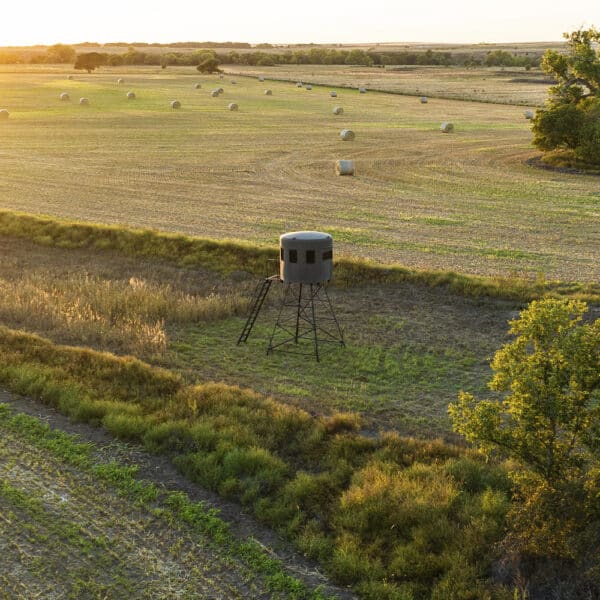
Animals that are considered predators, like coyotes and bobcats, can threaten prey populations like deer, turkeys, and other small game. A hunter’s job is to control overpopulation ethically and legally, by harvesting and either cooking or donating the meat that the harvest produces. Each state’s wildlife department coordinates with the research found by scientists and wildlife experts in that state to determine the appropriate number of animals that can be hunted during any given season. The number is carefully chosen to control population without damaging it. There are limits for a reason. Predatory animals can threaten populations, attack livestock, and push the numbers to the other end of the spectrum and lead to underpopulation. When this happens, wildlife experts allow for extra tags for those predator species to balance out the ecosystem and regain balance in the circle of life. Check out our tips below on how to control predators like coyotes and bobcats on your property this spring.
Coyotes
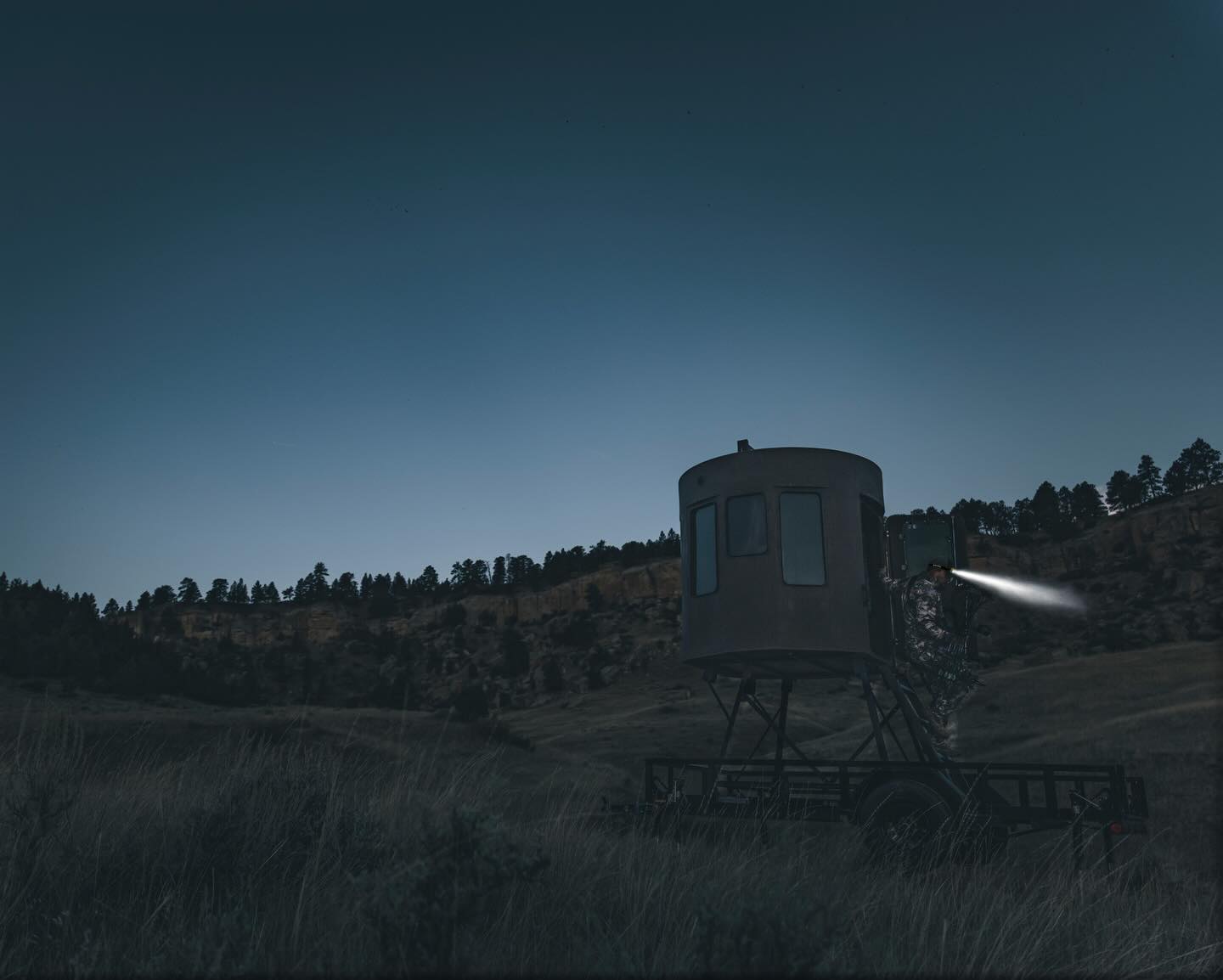
The coyote population is so abundant in Minnesota that there is no season and no limit to how many coyotes you can hunt. Coyote meat can be harvested and cooked, so you’re helping the ecosystem, without wasting usable meat, and providing more meat for your own dinner table. Set up your Stump blind and hunt coyotes on your property throughout the spring and summer to control the deer population. Hunting them will help protect your crops, your chickens and other livestock, as well as keeping the wildlife population in balance. You can also move our Scout blinds, like the Stump 4 Scout Phantom, on and off public property to hunt them. If you hunt on public property, remember to use a Locking Door Handle to secure your blind when you’re not in it. Blinds on public land are considered public property, so you’ll need to lock your blind to keep other hunters from using it.
Bobcats
Bobcats, on the other hand, have a short, one-month hunting season in the winter from Dec. 13 through Jan. 18. So, you won’t be able to hunt any bobcats on your property this spring, but you can try to deter them. To deter bobcats or coyotes from your property, you can use a combination of sensory assaults. Shine a very strong light at the area they’ve been frequenting or directly in the den if they’ve already made one. Tune a radio into a talk show so there’s constantly the sound of people talking. Put a rag soaked in apple cider vinegar in the area. These should all scare off the animals. Make sure you’re only doing this during nighttime hours, from dusk to dawn. If you leave the stimulants out all day, the coyotes and bobcats will get used to them and they won’t have the same effect.
Ecosystems require a delicate balance and hunting contributes to the conservation of those systems. Too many or too few of any one wildlife species and a domino effect occurs that threatens other species, crops and elements of nature. That’s why tag limits are in place for some species, but there are no limits on others. Check your state’s regulations for the guidelines on hunting coyotes, bobcats, and other wildlife.
How do you manage coyotes, bobcats and other predator wildlife on your property? Let us know in the comments below!
How to Set Up a Permanent Hunting Blind for Year-Round Success
The Best Places to Set Up Hunting Blinds for Summer Scouting & Observation