
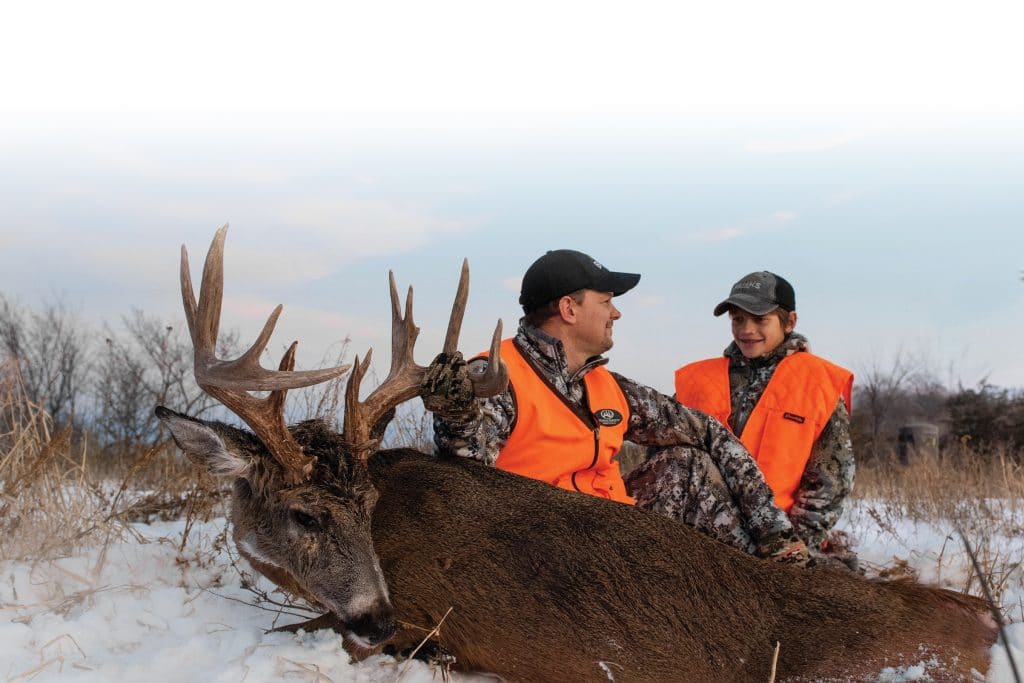
We’re in the last couple weeks of deer hunting season here in Minnesota and many hunters will be out in the woods, braving the cold, and preparing to harvest some wild game for their holiday dinner table. While some hunters only focus on harvesting bucks, proper doe management can be beneficial to keeping the ecosystem in order with an appropriate ratio of bucks to does. Check out this week’s blog for some “FYI’s” about the importance of harvesting does.
Preventing Overproduction
The main reason harvesting does in addition to bucks is so important is to prevent overproduction. Preventing an overpopulation of any one animal is why hunting is so vital in the first place, so analyzing how hunters can be strategic about their harvest will make the hunt that much more efficient for the environment.
Deer are animals of prey. Prey animals, evolutionarily, produce more offspring than they need to to overcompensate for some of their offspring being hunted by predators. Therefore, if there aren’t enough predators in the area to warrant the overproduction of offspring, the does don’t exactly get the memo and will continue to produce extra offspring even though they don’t need to, overpopulating the area. That’s where hunters come in. Hunters supplement the animals that would normally be in an area to present a threat to the population. By harvesting does, you’re preventing the overpopulation of fawns from occurring.
Overproduction Leads to Sub-Optimal Living Conditions
The guidelines stated above apply to areas where the deer herd has overgrown their environment. That means that there is not enough food, shelter and water in the area to support the entire deer herd. When food, shelter and water is depleted, the deer herd becomes vulnerable to disease, fawn survival plummets, and the deer may even start to encroach on food and habitats that they don’t normally eat, affecting other wildlife and disrupting the ecosystem.
Monitor Your Trail Cameras
Monitoring your trail cameras is an important part of the hunting process. Keeping an eye on the herd throughout the season will help you stay in-tune to the ratio, letting you know if it’s necessary for you to harvest does. The simple answer: If you see virtually no does, you probably don’t need to harvest one. If you see a bunch of does, you absolutely can and should, if your bag limit allows.
States may have different bag limits for bucks and does. In Minnesota, different areas of the state are designated for different bag limits. Some areas are bucks-only, some are either-sex and some areas allow you to take up to five deer. There is also a separate antlerless permit you can buy in addition to your regular hunting license. Check your state’s regulations for the guidelines in your area. You can view Minnesota’s regulations here.
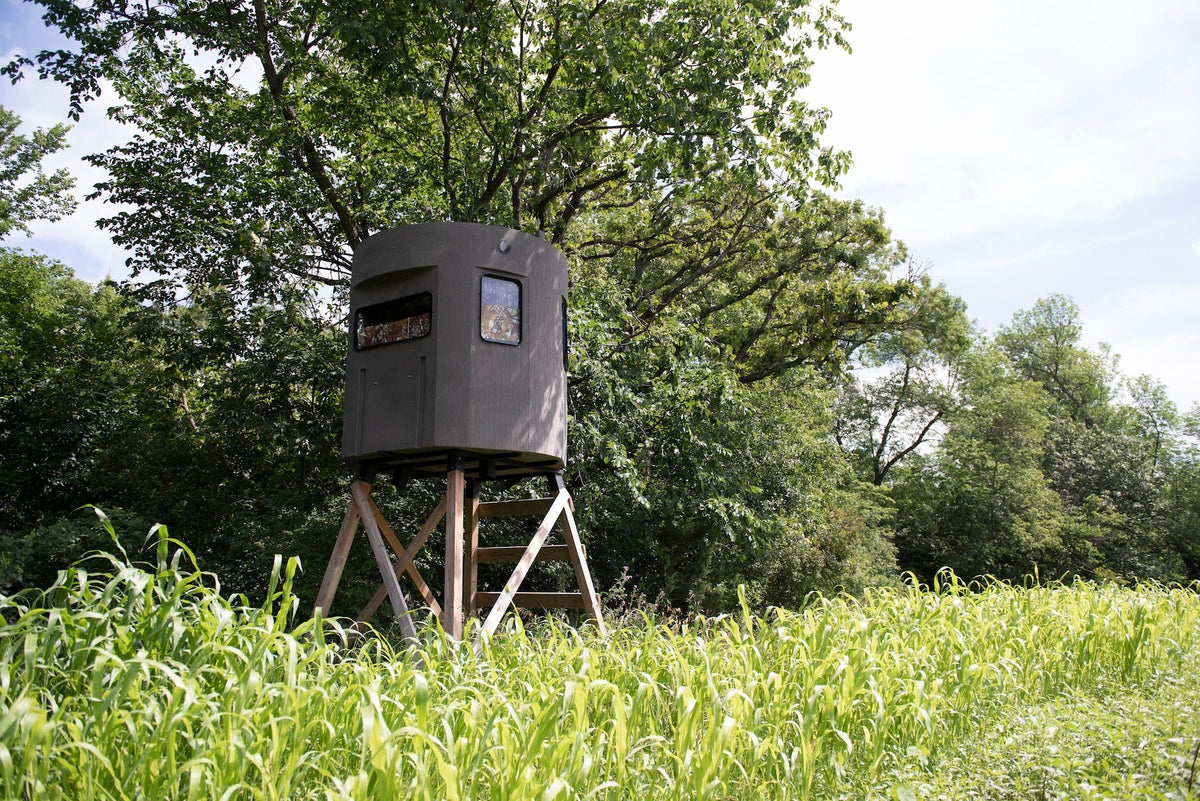
Hunting does in addition to bucks helps create a balance in the ecosystem, keeps the herd population in check, and provides wild game for your freezer. Use our Stump blinds to keep yourself insulated from the cold so that you can harvest those late-season does throughout the end of the deer season and have some meat in your freezer in time for Christmas.
Do you harvest does during the late season or do you stick with bucks? Let us know in the comments below!


The Best Hunting Blind Accessories for Comfort in Freezing Temps
2025 Recap: What We Learned This Season & How to Improve for 2025