

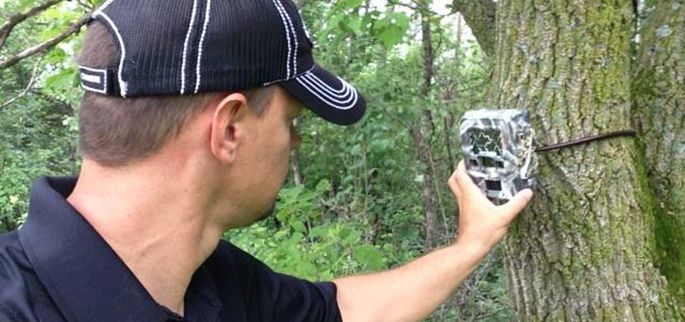
Trail cameras are a great way to keep track of the deer herd during hunting season so that you can monitor whether they’re eating the food from your food plots, when they’re eating it, and how much they’re eating. Knowing the time of day the deer herd comes to feed can help you plan your hunts accordingly based on when they’re going to be passing through a trail from their bedding area to your food plot. They can also be helpful during the winter months so that you can analyze the herd health and make adjustments this spring and summer for a better fall season. Learn about the benefits of using a trail camera during winter, below.
Shed Timing
An important piece of herd health information you can gather by watching your trail cameras in winter is when the deer herd drops their antlers. If you’re seeing bucks drop their antlers already at your food plot, or along the paths you’re monitoring, that could be a sign that the deer herd isn’t as healthy as it could be. A healthy deer can hold onto their antlers later into spring. The less testosterone, calcium, and phosphorous a deer has in their system, the more fragile their antlers will be, which will cause them to drop earlier. Keep an eye on your trail cameras to see whether bucks in your area have already shed their antlers. If they have, make sure to up your food plot game for next season. Make sure supplemental feeding is legal in your area, and if it is, put out more Feedbank Gravity Deer Feeders and Wild Water Systems in the spring. The minerals in our Wild Water Mineral Supplements will give them an array of nutrients to help them grow sturdy antlers for next year. If you aren’t already providing them with supplements, wait until spring. A deer’s stomach is too sensitive to handle a change in diet during the cold winter months.
Analyze the Herd Makeup
You can also use your tail cameras to observe the makeup of the deer herd. Track how many bucks there are compared to how many does. You’ll experience an average rut season if the ratio is between 1:1 and 1:5 bucks to does. Observe how many bucks are on the cusp of being a harvestable three-to-four-years-old at the end of this season to give you a sense of how many bucks will be harvestable next year. Some bucks that weren’t harvestable last year might mature over these spring and summer months and be available next year, so keep your eye on the trail cameras in the winter to mark the changes.
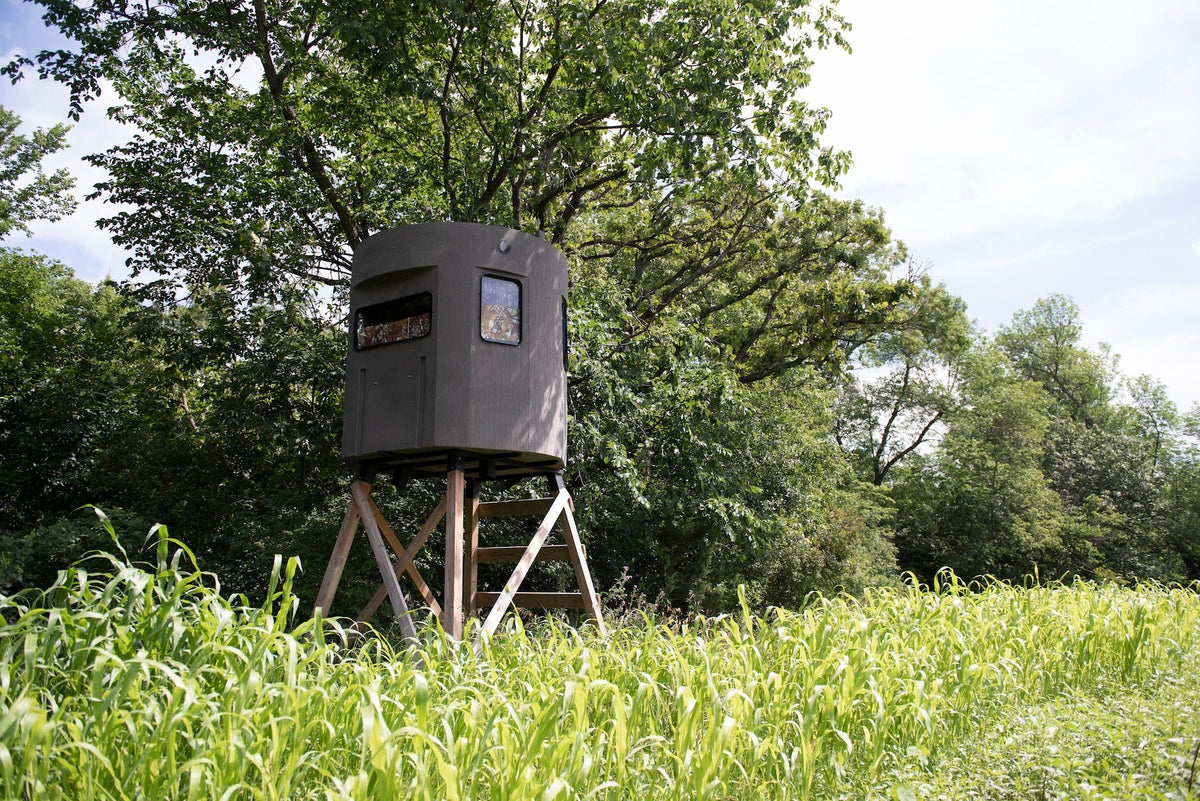
Analyzing the data you gather from your trail cameras during the winter can help you paint a picture of the herd dynamic and overall health to prepare you for what to plant during the spring and summer and how to approach your hunt in the fall. Plan new spots for your Feedbank Gravity Deer Feeders and Wild Water Systems now so that you can begin providing the herd with nutrition in the spring and roll out your Stump blind into a prime spot based on everything you learned this winter.
Do you keep using your trail cameras during winter? Let us know what you’ve found through your trail cameras and how you use it to map out the next season in the comments below!


Understanding Late-Season Deer Behavior
Winter Archery Practice: Staying Sharp in the Off-Season