

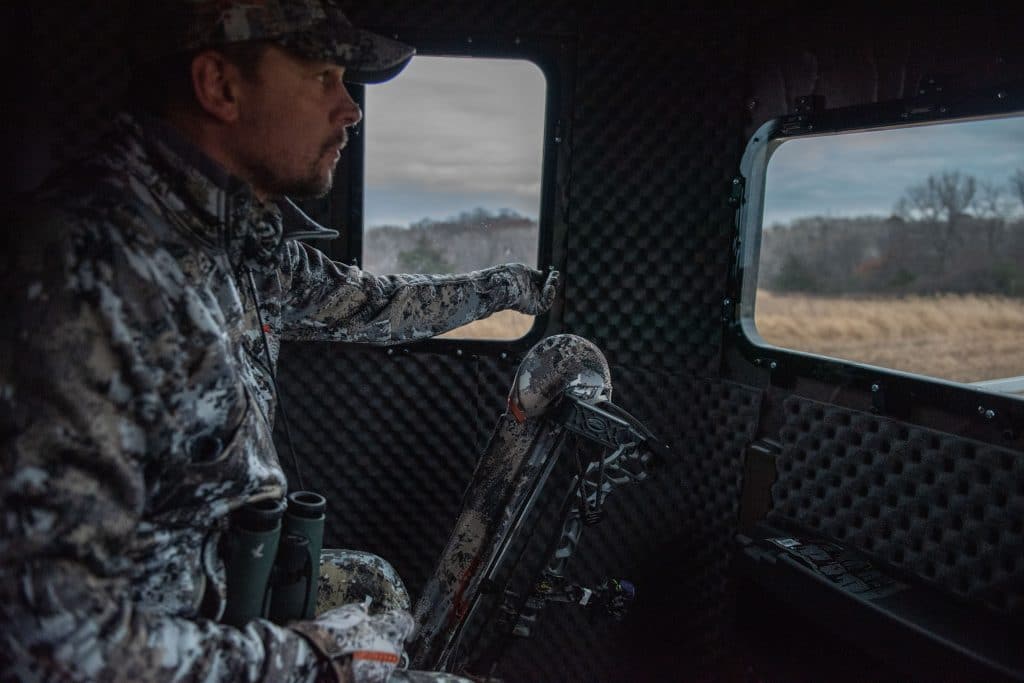
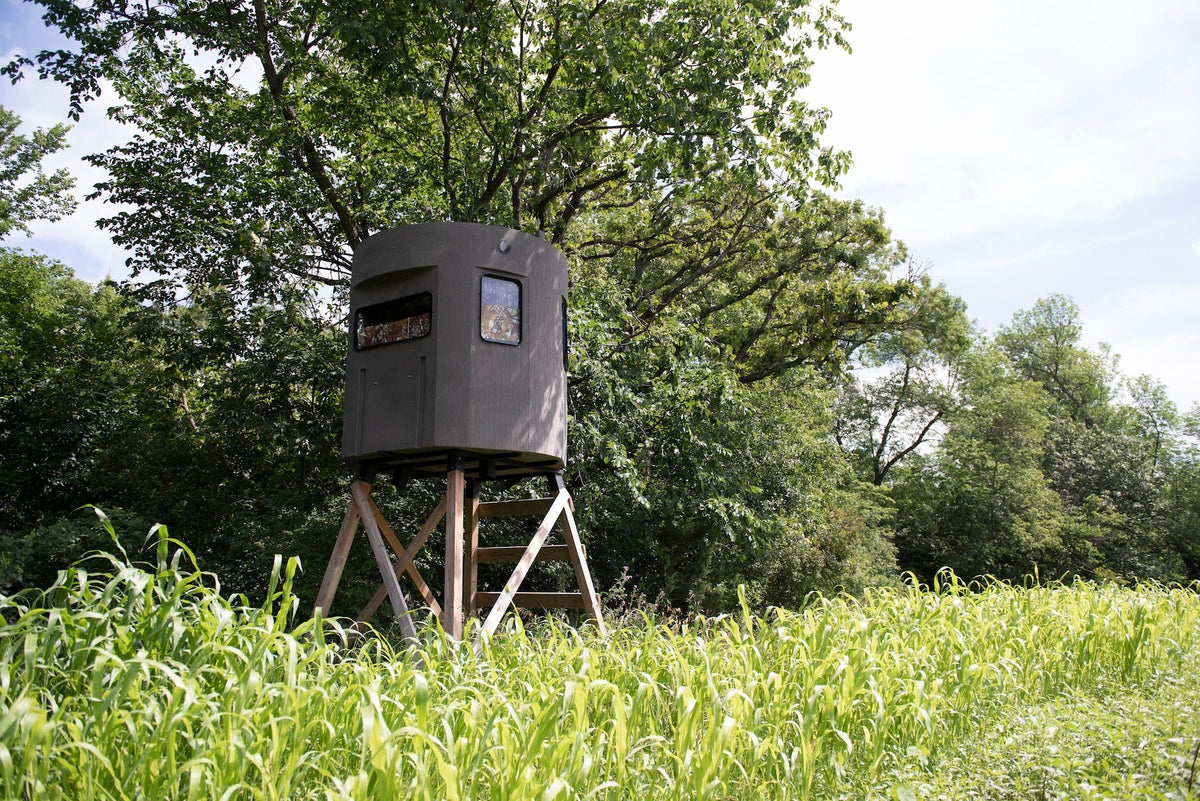
Deer season is over in Minnesota, but you can still hunt coyotes, bobcats and other predator animals this winter. Check your state’s local regulations for your state’s predator seasons. Then, use our Stump blinds and the tips below for winter predator hunting techniques to make the most out of the winter months by extending your hunting season and putting more wild game on your table.
Bobcats
January is mating season for bobcats, so much like rut season for a deer, the male bobcats will be active and looking for a mate. The colder weather will also make them more active as they seek out food sources to sustain themselves while they’re burning more nutrients during mating season and during the colder months.
Bobcats are wary in areas that also have a strong coyote population, so consider that information when you’re calling bobcats. They might not answer the call very quickly or be inclined to venture into open areas. Bobcats like to stay hidden in thick cover like cedar thickets and swamps. Thick trees present more opportunities for an abundance of small rodents, which are one of a bobcat’s food sources. Follow the prints in the snow, they’ll look like large cat prints, and set up shop nearby in your Stump blind. You’ll stay warm and comfortable calling from the open window while you wait for a bobcat to appear. Hang out in our M360 Chair, use our Multi-Function Hand Warmers and have patience. The M360 Chair has five wheels, so you’ll be able to move between windows seamlessly and quickly as soon as the bobcat approaches.
Coyotes
Unlike deer who can find their winter diet of woody browse almost anywhere, coyotes travel over 100 square miles of terrain to find their prey. Coyotes will track down hay fields and pastures where mice and other field animals will be present. If you live in a suburb, you’ll also find coyotes tracking down household pets. Check your state’s regulations on coyote hunting on public land. If you come across private land with a hayfield or livestock, ask the landowner if you can hunt the property.
To call a coyote, you’ll want to mimic a dying rabbit or squirrel. You can do this by letting out a few loud squalls that mimic a fallen rabbit or squirrel. If there are coyotes nearby, they’ll come running to the prey within about 20 minutes. So, wait about 20-30 minutes between rounds of calling. Make sure you’re downwind when you start calling. You want to be prepared for the coyotes to show up from the moment you make your call and you don’t want your scent to deter them.
Now that deer season is over, hunters are entering the winter season of hunting predators. Check your state’s regulations for each wild game animal and plan accordingly. You can stay warm with our Stump blinds and hand warmers after you’ve tracked the game through the snow. There’s enough room and separate windows for multiple hunters in our Stump blinds. So, take your hunting partner out for more hunting trips throughout the season and don’t let the snow stop you. Our Stump blinds are insulated and weather-resistant so you can stay out all day.
How do you hunt predators like coyotes and bobcats in the winter? Let us know in the comments below!


Winter Wildlife Tracking: Identifying Signs in Snow
Understanding Late-Season Deer Behavior