

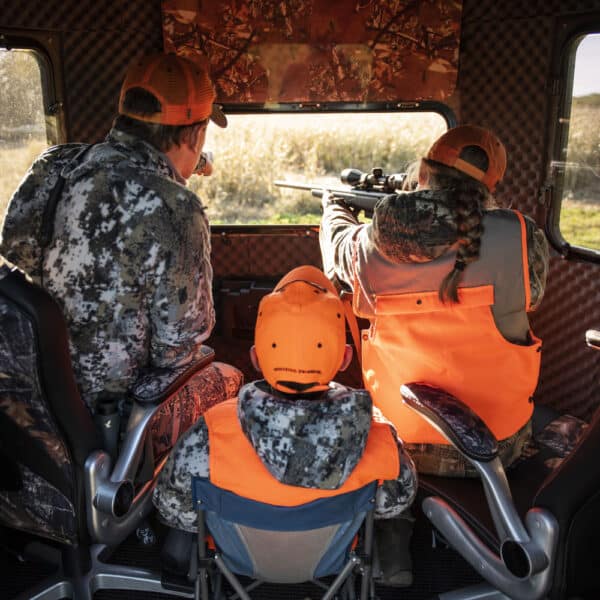
The winter months bring harsh, cold weather which can include freezing temperatures, sleet, rain and snow. It’s important to maintain the quality of your equipment in these cold, wet conditions. Learn more about how you can protect your hunting gear, including firearms, below.
Know the Regulations
First and foremost, know the regulations for firearm hunting in your state. Review the Minnesota DNR hunting regulations to learn more. If you’re traveling out of the state for a hunt, check the regulations for the state you’ll be hunting in.
Maintain the Oil
The firing pins of hunting rifles are coated in oil and as the temperatures drop, that lubricated oil thickens and turns stickier. This thick paste can slow down the firing pin so much that it won’t ignite the primer. This can cause the rifle to misfire. To solve this problem, you can degrease the rifle. To do this, you can disassemble the bolt and remove the oil from the bolt, firing pin and firing channel. Once you’ve done that, spray the parts with a degreaser like a brake cleaner or an electrical degreaser. Make sure you’re following every safety precaution when you’re working with your firearm, from making sure it’s not loaded to following your firearm’s specific safety guidelines.
Protect the Scope
Invest in a scope cap to protect your sight/scope and prevent water build-up and condensation from obscuring your sight. An Outdoor Life article even recommends filling the screw heads on your scope rings, rifle and sights with Chapstick to prevent rust from collecting in areas of high moisture. Preventing moisture will help eliminate rust on the crucial parts of your firearm.
Use our Stump Blinds
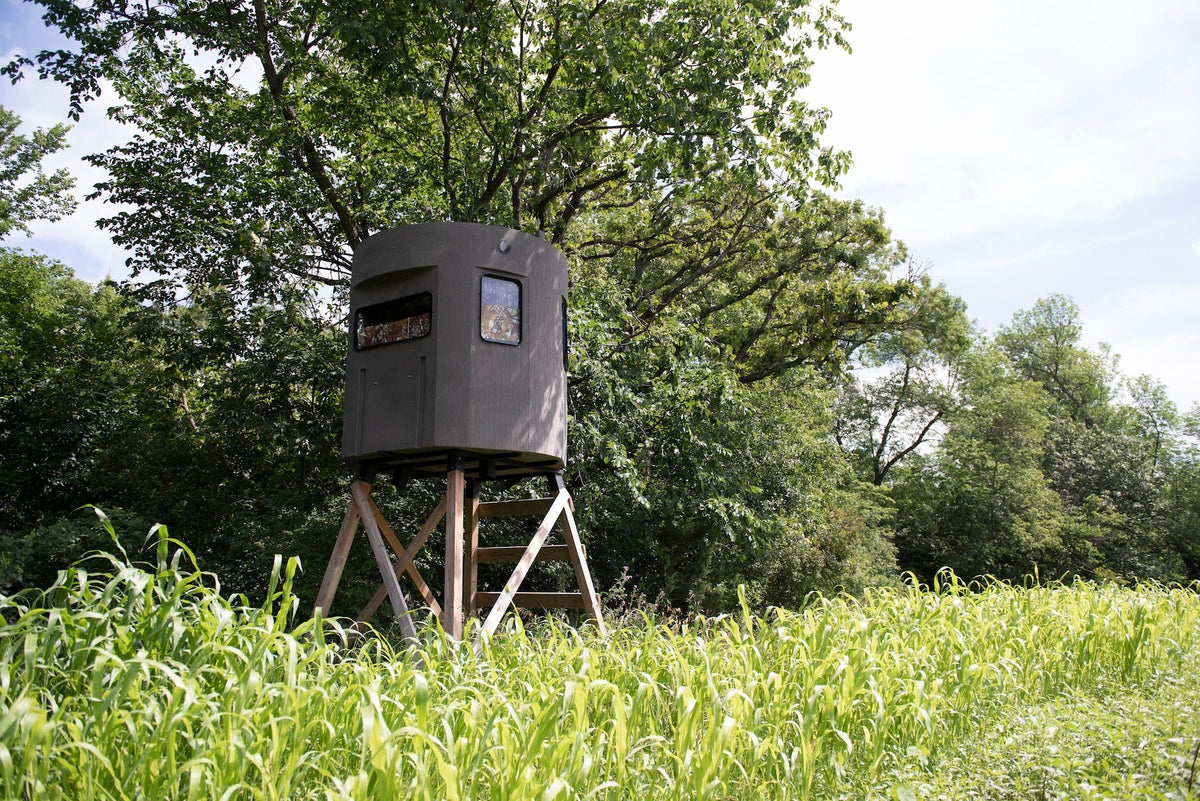
One of the best ways to protect your firearm from cold, wet conditions is to not let them get exposed in the first place. Hunt from our Stump blinds and keep yourself and your gear warm and dry while you hunt. The windows in our Stump blinds open silently, so you can keep them closed the entire time you’re waiting for the wild game and open them only when you see the deer or other wild game approaching. This will help protect your gear from the elements for as long as possible. Stay extra warm with our Multi-Function Hand Warmers that heat up to 131-degrees. They come in a pack of two, so you can use one for your hands and charge your phone or heater with the other one.
Keep Your Firearm in the Case
You can protect your firearm from cold, wet conditions before you even get to the blind by keeping the firearm in the case while you’re walking to your blind. Keeping it enclosed in the protective case will ensure the rain and snow doesn’t compromise it while you’re walking to the blind.
Whichever state you’re hunting in this season, check their regulations before you hunt. If you’re hunting in an area that’s prone to freezing weather or snow, consider hunting from a Stump blind to keep your gear in working order. Being protected from the elements will also help keep you comfortable during the hunt, as well. If your firearm does get wet, review the tips above to ensure your late-season hunt is a safe one.
How do you protect your firearms in cold, wet conditions? Let us know your advice for these snowy winter months in the comments below!


Why Late-Season Hunts Require Different Scouting Techniques
Winter Wildlife Tracking: Identifying Signs in Snow