

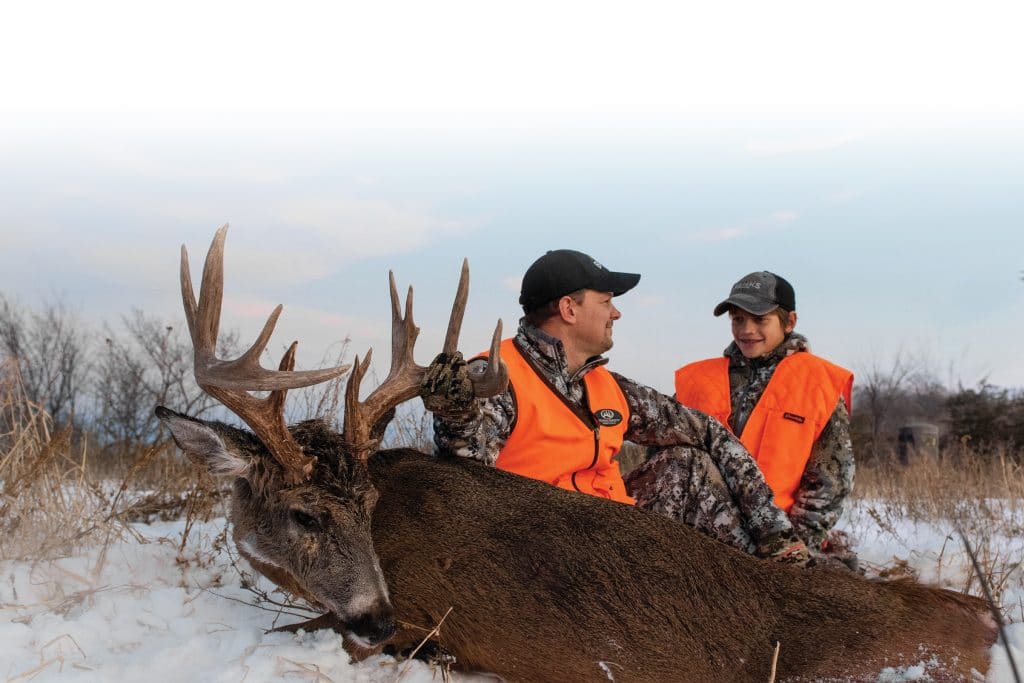
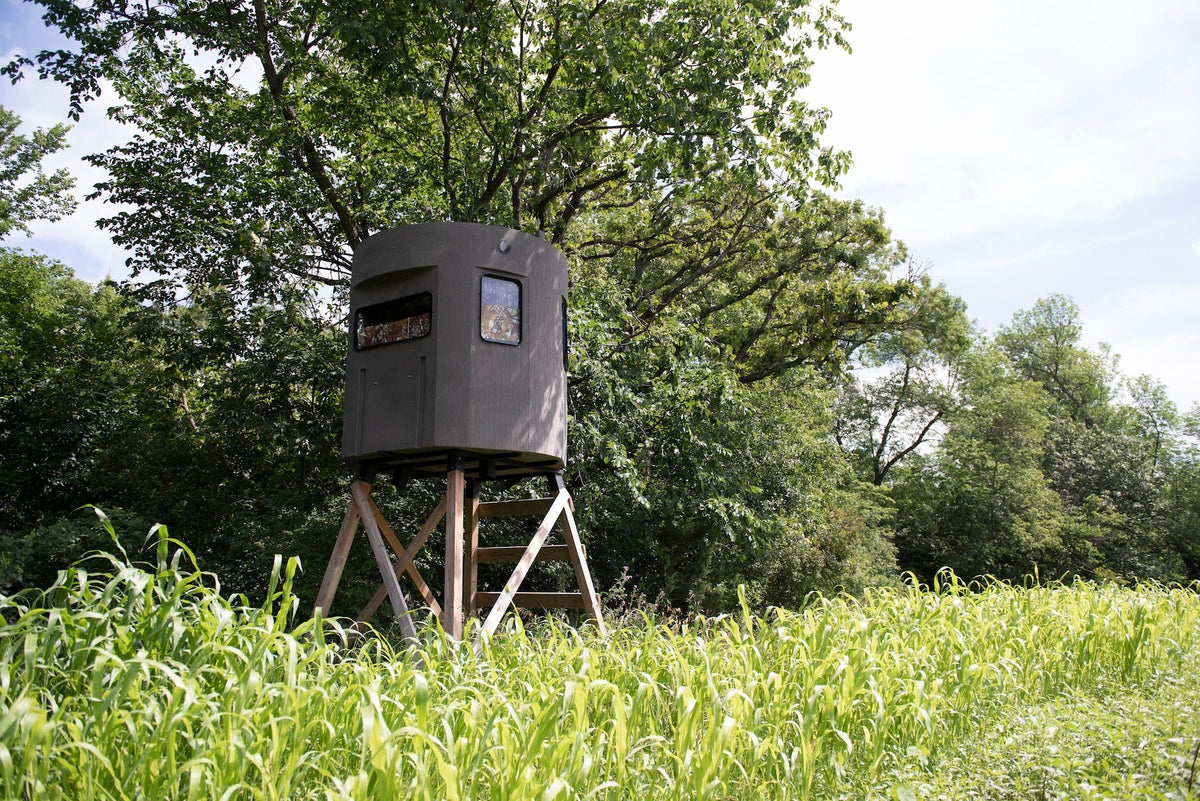
Late season hunting requires a different set of scouting tactics than hunting during the main season. The rut season calls for aggressive rattling and calling, but later in the season, as the deer herd’s behavior winds down, you can begin to use calls less frequently. You also need to make sure the signs are fresh, and not leftover from the rut season. Learn more about how you can scout deer from your Banks Outdoors Stump blind during these last couple weeks of late-season hunting, below.
Less Rattling
The deer herd will respond better to infrequent calling and doe calls during the late season. During the rut season when the bucks are all competing with each other, an aggressive antler rattle will draw a deer into the area to challenge the two bucks that they think are fighting. As the season wears on, a softer doe call will be more likely to call in a deer. Bucks will be more in tune to the does that have gone into second estrus at this time than rival bucks. Spend some time in your Stump blind periodically using doe calls. Our Stump blinds are insulated, so you’ll be able to stay out in the blind all day.
Check the Age of Signs
Make sure to check the age of the deer signs as you’re scouting. The bucks will have left plenty of scrapes during rut season, so don’t let yourself get confused on what’s a new sign and what’s leftover from rut season. Bucks leave scrapes all throughout the year, not just during rut season. If the scents are fresh, that’s a good indicator it just happened. Bucks rub the tarsal glands, which are the dark patches of fur at the back of their legs, together and urinate on them to strengthen the scent that is left on the scrape. Deer do this to alert other deer they’re in the area and to mark their territory. Deer scrapes are a community meeting place for the herd. Many deer within the herd will stop at the sign to investigate and the deer that left the scrape might also come back to it. Set up your Stump blind next to a new scrape because the deer that left it might still be in the area or you could catch the rest of the deer herd.
Use the Snow to Find Tracks
One of the main advantages of a late-season hunt is that there’s the potential for snow. When there’s snow on the ground, the deer prints will be more visible and easier to find. So, make sure to head out when you see a light snowfall. The snow will leave tracks behind, just make sure you see them before the snow covers them up again. Deer like to move during a light snowfall. They move while the snow is still light before it switches to a heavier snow and they have to bed down in thicker cover.
When you’re using our Stump blinds to stay warm during your late-season hunts, make sure you’re adjusting to the time of year and using strategies that are appropriate for this phase of the season. Enjoy your last two weeks of deer season and harvest some wild game for your holiday meals.
How do you change up your late-season scouting techniques? Let us know in the comments below!


The Benefits of Hunting from Ground Blinds in Winter
How to Maintain Your Firearm in Cold, Wet Conditions