


As the temperature begins to rise and the snow starts to melt, many deer herds will take advantage of the spring thaw and start to search for new food sources under the newly melted snow. Below are some tips on early spring deer patterns and how you can track their movements as the snow melts and a new phase emerges.
Antler Shedding
Bucks are currently shedding their antlers, so where they drop their antlers can tell you a lot about their habits. If you find antlers near a creek or a fenceline, that’s a good indicator that the deer have been traveling through that area. They would have needed to jump over the fence or creek and the impact of landing from the jump often knocks already loose antlers to the ground. So, if you find multiple sets in the same area, you can safely deduce that a herd has been traveling through the area.
New Food Sources Revealed
As the snow melts, different food sources that had previously been buried underneath the snow will be revealed to the deer herd once again. They’ll be able to get to berries and acorns that have been sitting underneath the latest snowfall and graze on the stalks and remnants of corn, soybean and alfalfa fields. When these sources are buried, that’s when the deer switch to woody browse because that’s something that’s easy to get to above the snow. When the snow melts, their usual spring, summer and fall foods will reopen to them.
Upcoming Fawns
Fawns are typically born between April and June. This means that all throughout the spring months, the does will be looking to up their nutrition intake and maximize their minerals. They need to replenish their own supply after having endured a cold winter and the excess nutrition will help cultivate healthy fawns. When the fawns are born, the does’ milk should be packed with nutrition since the does need to grow rapidly. Our Wild Water Mineral Supplements are loaded with these vital nutrients. Simply add a bag to your Wild Water Mineral System or any natural water source on your property. The deer herd, both bucks and does alike, will come to your property looking to recharge their internal supplies.
Plant Your Sources Early
Plant your food sources as soon as the weather allows. The earlier you plant your food plots the sooner you’ll start creating a pattern with the deer. Work with their need to replenish their nutrition in the spring and you’ll have deer returning to your property into the fall hunting season looking for that same food. Keep your Feedbank Gravity Feeders stocked all year for this same reason. Many crops need the ground to completely thaw before planting, so make sure you’ve waited long enough after the last freeze of the year. Check your local regulations to make sure supplemental feeding is legal in your area.
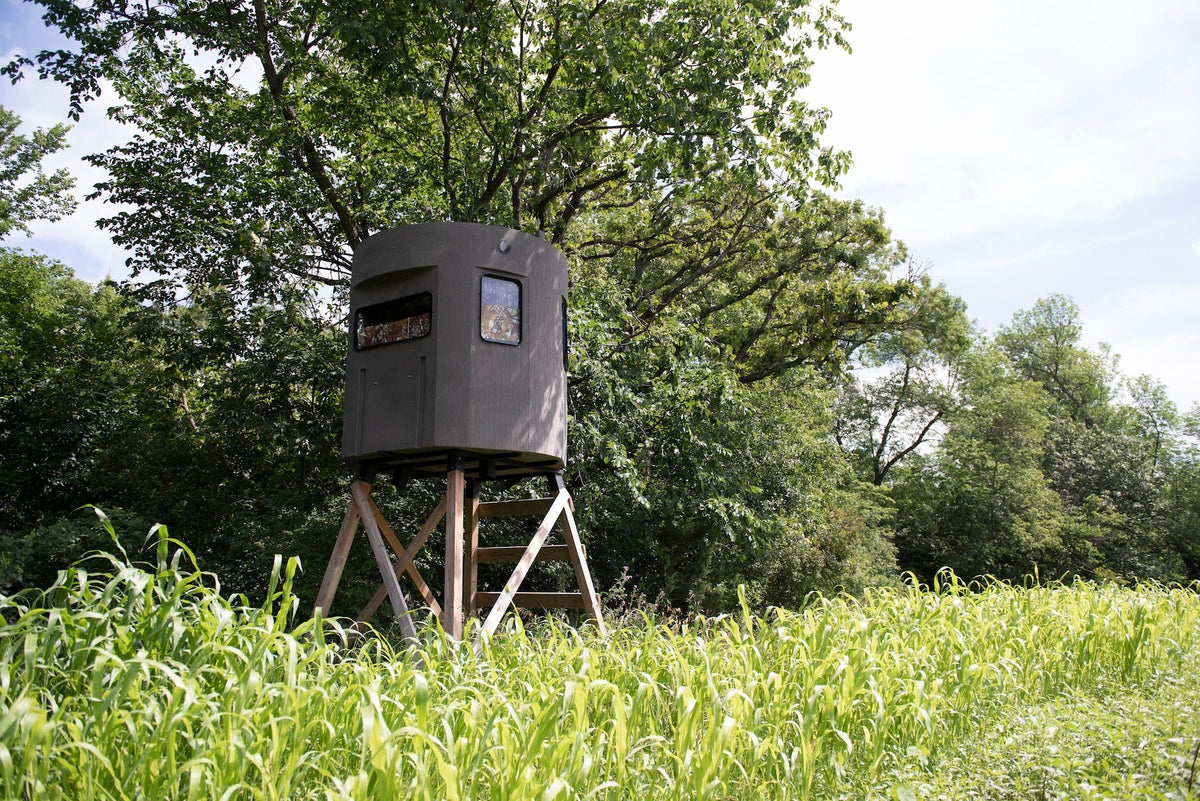
The early spring months are when deer are dropping their antlers and looking for reliable nutrition to recalibrate their levels after a harsh winter. Make sure you’re looking for those antlers and keeping your feeders stocked. Make note of areas with the highest traffic so you can set up your Stump blind nearby for next season.
How do you track deer movement in early spring? Let us know in the comments below!


Shed Hunting Starts Now: How to Prep Trails and Food Sources
Spring Maintenance Checklist for Your Banks Outdoors Hunting Blind