

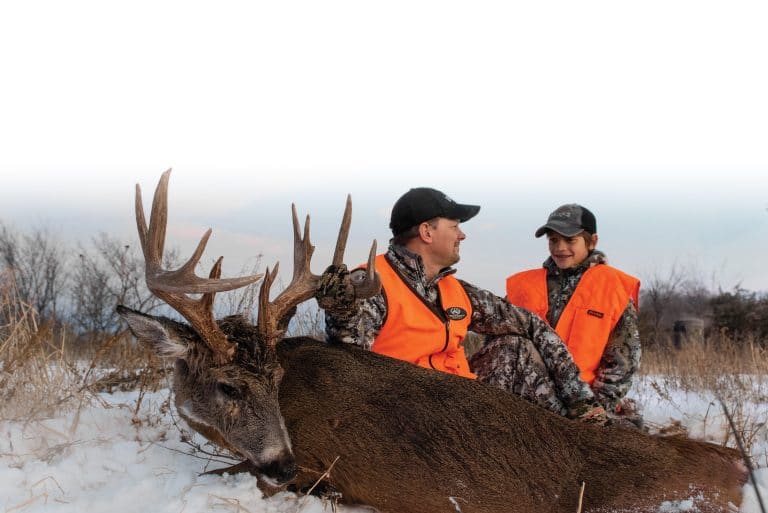
Once you make the decision to get into hunting, your next steps are exciting. You can research basic information on the internet from reliable hunting sites and visit your local range for lessons in your chosen discipline. Once there, you can ask around the shop and connect with a more experienced hunter than can show you the ropes and be your mentor. Once you become the experience hunter, pay it forward and mentor a new hunter yourself. We’ve got some tips below for how to mentor a new hunter.
Use our Stump Blinds
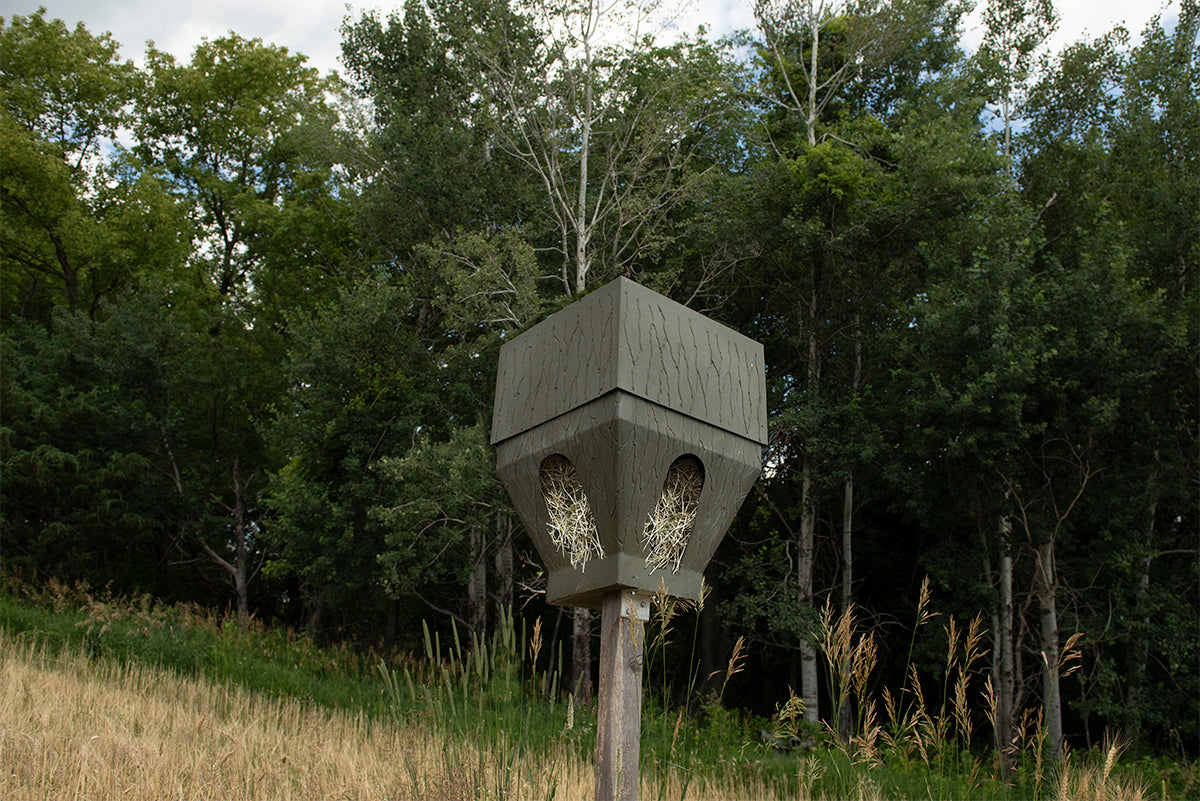
Our Stump blinds, like the Stump Sequoia Scout, are the perfect choice for a hunting blind when you’re mentoring someone. Stump blinds are spacious so you can easily accommodate both you and your mentee. Each blind has multiple windows that surround the blind, so you can each have your own shooting window without interfering with the other one. The spaciousness also allows you to pull up a chair next to them and talk them through the shot process when an opportunity presents itself.
Keep Sound and Scent Inside the Blind
It’s essential to make sure your mentee knows when to wait and when to take the shot. This, of course, requires a level of open communication. You need to be able to converse with each other and relay information to discuss what’s happening and what the next move should be. Our Stump blinds have heavy insulation that will keep your conversations inside the blind. The insulation, combined with our tightly sealed windows and doors, will allow you to speak freely, even as a buck approaches your blind. The windows open silently, so you can talk amongst yourselves up until the moment the buck is within range.
Because scent will be kept inside the blind, you can also bring food and enjoy a meal break together. Still use a bit of caution and don’t bring anything with a very intense scent, but in general you can enjoy a meal with your mentee. Take this time to bond.
Teach Them the Importance of Shot Placement
One of the most important things you can teach a mentee is how to aim for the vital area. Knowing the vital area is essential to making sure the harvest is as ethical as possible. Teach them the importance of aiming for the heart and lungs so that the wild game expires as quickly as possible. Let them know that they shouldn’t take aim as soon as a deer comes into view. Show them what quartering to, quartering away, and broadside look like so they can identify these acceptable shot placements when they see them. Teach them how to read a blood trail so that they know where their shot hit.
Teach Them to Use or Donate Meat
Make sure they know they’ll need to field dress the deer themselves or take it to a meat processing plant. If they want to field dress it themselves, teach them that process. If they don’t, make sure you check where the closest meat processing place is so that you can visit them immediately after the hunt.
Mentoring a new hunter is a great way to pass along a passion for the outdoors and to reignite your own passion in hunting. Show them how beneficial a nature-focused activity can be for both physical and mental health. You never know, your mentee could become a mentor someday too.
How do you mentor a new hunter? Let us know in the comments below!
How to Find Big Bucks on Public Hunting Land
The Best Treestand Snacks