

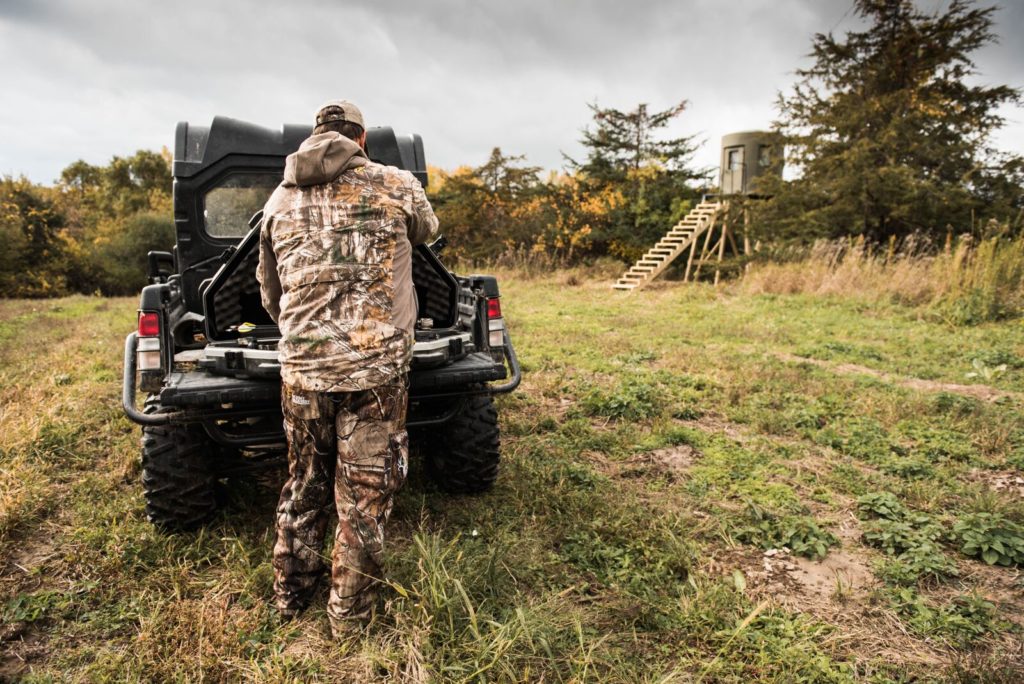
Opening day for turkey season is just a few weeks away here in Minnesota and many are starting to brush up on their calling techniques and other tips and tactics for harvesting a turkey. Staying silent when you’re not actively calling is an important component of any hunt. You don’t want to scare the birds away before they make it to your blind, so make sure you’re taking precautions to stay quiet while you’re hunting turkeys this spring. Our Stump blinds can help you do that. Check out our tips below for how to evade the gobblers’ ears and bag a turkey this season.
Park Away from the Action
It’s important to stay as stealthy as possible as you make your trek to your Stump blind. This means parking away from any roosting sites and making sure you place your blind away from the entrance of the hunting area. Our Stump blinds are easy to move using a steel hitch and an ATV or truck. Set up your blind quickly, which will be easy to do because Stump blinds don’t have rods or anything to attach if you’re not elevating it, and wait for the turkeys to forget about the noise and settle. Take a Bucket Backpack with you to carry any wild game meat you harvest.
Insulation Allows for Conversation
Banks Outdoors blinds are lined with heavy insulation so you’ll be able to talk and enjoy the hunt with your hunting partner without worrying that the turkeys will hear you. The Phantom Windows open silently, so you can keep them closed while you’re waiting for the birds to come in, only opening them to conduct your calls or to take aim. The windows have one-way viewing, so you can see out of them, even when they’re closed, but the turkeys can’t see in. Use this to your advantage by keeping the windows closed as long as possible.
Avoid Loud Packaging
If you’re hunting on foot, avoid snacks with loud packaging or anything that’s overly crunchy. Stick with sandwiches in Ziplock bags, cut up fruit, and beef and cheese sticks. The last thing you want is for your mid-morning snack to ruin your entire hunt.
Wear Blaze Orange
Staying silent is one of the reasons hunters are required to wear blaze orange when they’re hunting. If you’re not making any noise and you’re wearing camouflage, it’s going to be hard for the turkeys to spot you but it will be hard for other hunters to spot you, too. Wearing blaze orange ensures that you stand out to others without compromising your position to the turkeys. Minnesota’s hunting regulations ask that hunters wear a piece of orange clothing somewhere above the waist. You can wear orange camouflage but it has to be at least 50% orange. If you’re a veteran hunter and you’ve been keeping up with Minnesota’s guidelines, note that there’s been a change since last year. Hunters are no longer required to put blaze orange on their blinds.
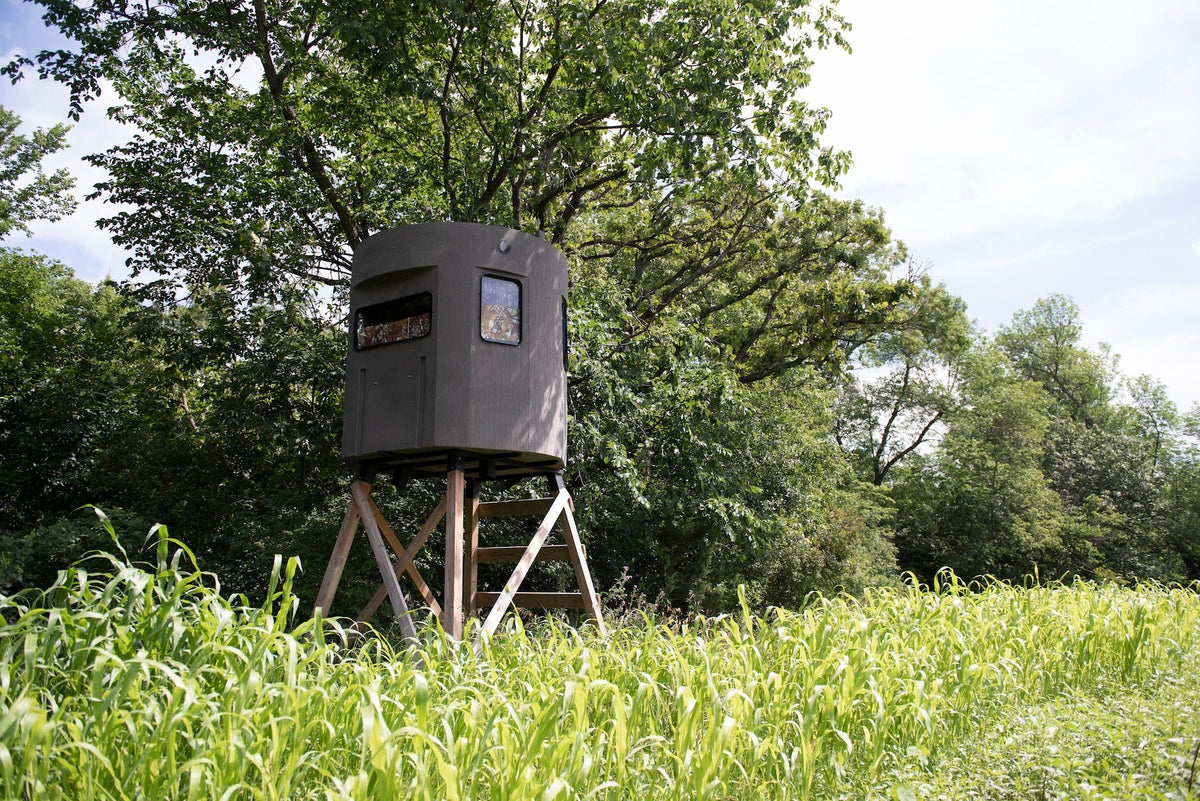
Check out our Stump blinds now to get yourself set up with a stealthy piece of equipment before you go out on the first turkey hunt of the season. Stay quiet, stay vigilant and bring home a turkey for your next meal.
How do you make sure you’re staying quiet when you’re hunting spring turkeys? Let us know in the comments below.


What You Need to Know About Spring Turkey Regulations in 2025
The Role of Water Systems in Attracting Game During Spring