

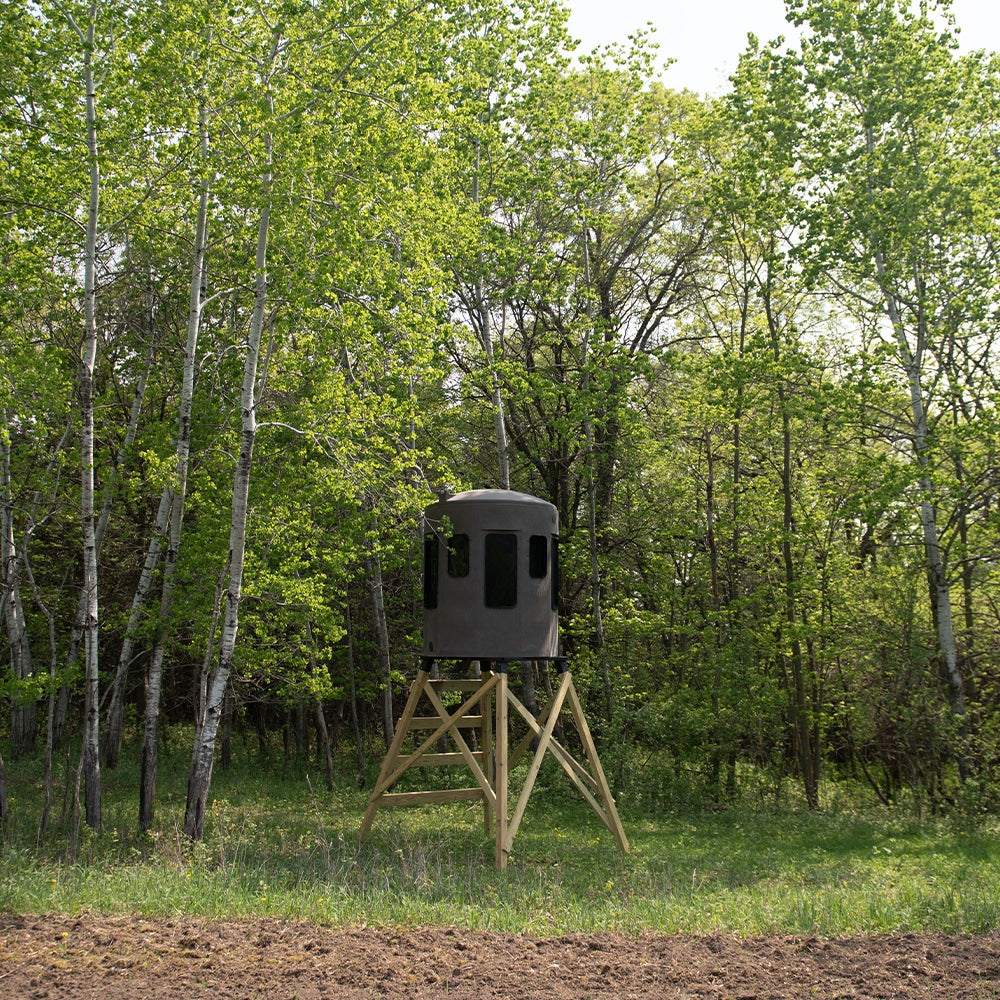
It’s peak rut season here in Minnesota, and the same is true for many other areas of the country. Peak rut season occurs from about mid-October until mid-November. The entire rut season starts earlier and lasts longer, but the peak time is during the next month. Strategizing your hunts during rut season can be a great way to ensure a successful harvest. Check out our tips below for maximizing your success during the peak of rut season.
Rubs and Scrapes
Something a hunter can rely on every year are rubs and scrapes. These signs are a buck’s way of marking their territory and it happens every rut season. A buck will paw at the ground to dig out a spot and their trarsal glands will secrete a scent in that spot that does and other bucks in the area will be drawn to. The bucks will also urinate on the glands to make the smell stronger. They’ll also rub their antlers on tree trunks and lick branches overhead. All of these quirks are designed to leave scent in the area. If you can follow a trail or cluster of these marks, there’s a good chance that that area is a highly-trafficked area for the deer herd. Consider setting up your Stump blind nearby and waiting to see if any does or bucks come by to investigate.
All Hours of the Day
During rut season, bucks and does will move around all hours of the day. Many states’ hunting hours close half an hour after sunset, so as we approach daylight saving time this weekend in which the sun will set between 5:30 and 6:00 p.m., this will be very important because it will give you more opportunities to get out in the blind, despite the shorter daylight hours. Bucks will constantly be chasing after does in estrus, so don’t count out an afternoon hunt.
Trail Cameras
Keep an eye on your trail cameras. If you see a group of does, chances are a buck or two won’t be far behind. Keep trail cameras positioned at your Stump blind and your food plots or Feedbank Gravity Feeder. Keep your Stump blind far enough away from your food plot that can you can hunt the path between the two, rather than hunting right on top of the food plot. Make sure you’re keeping your scent contained whenever you check your trail cameras. This is vitally important at the height of hunting season. You don’t want to jeopardize a well-traveled area by checking your trail cameras without covering your scent.
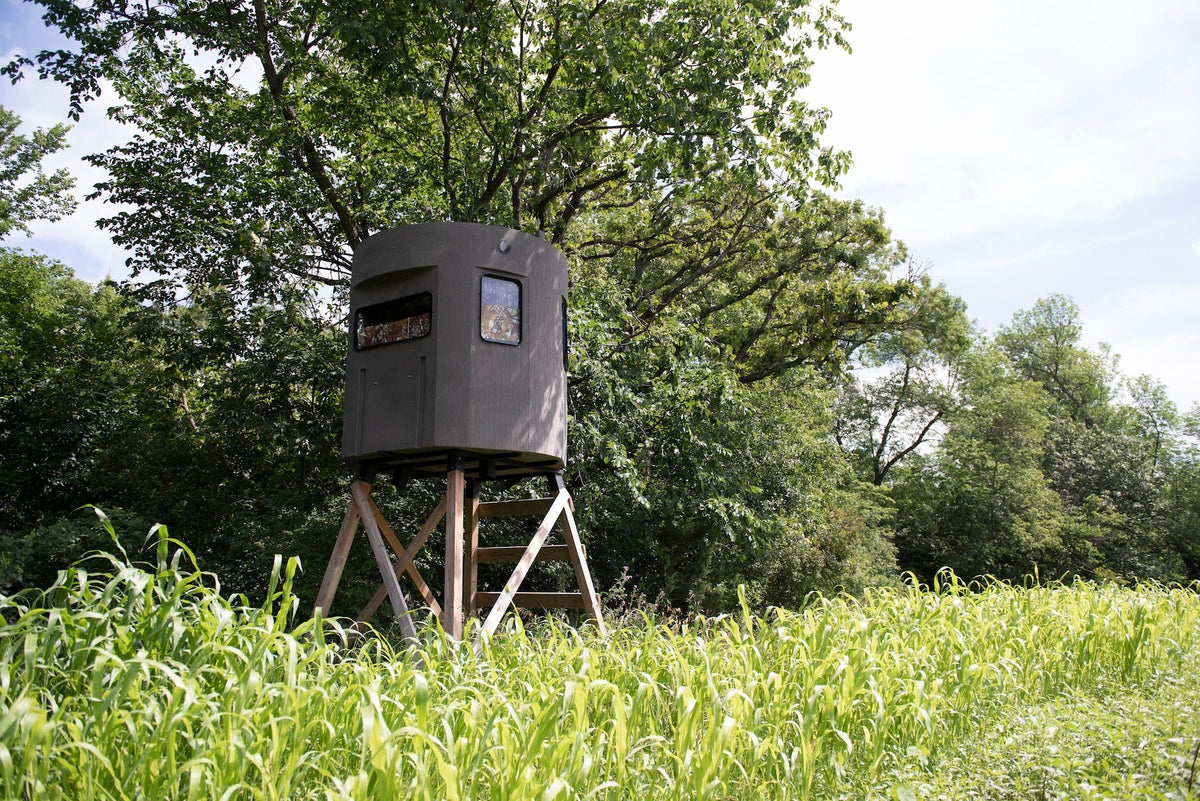
The rut season means you could see a deer at any hour of the day. Our Stump blinds are spacious and comfortable, ensuring you can make the most out of this busy time by hunting all day. Hunt with a family member or friend and you can each enjoy hunting from your own window. This will be helpful when multiple deer come roaming through an area to check out a rub or scrape. You and your hunting partner won’t have to compete over opportunities. So make your way to your Stump blind, set up shop in a comfortable M360 Chair and enjoy the activity that rut season brings.
How do you make sure you’re making the most out of rut season? Let us know your tips and tricks in the comments below.


The Impact of Moon Phases on Deer Activity in October
What Should You Do After a Bad Shot and How Long Should You Wait