

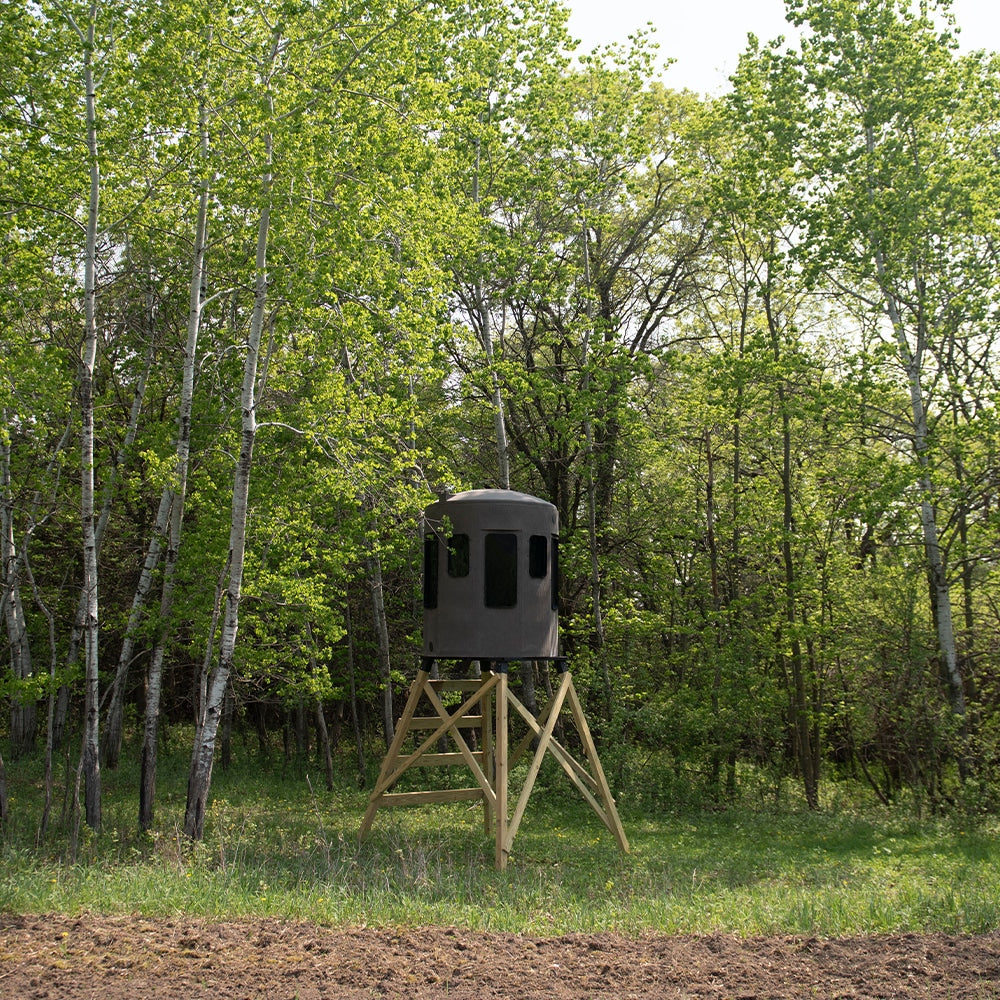
Making mistakes is one of the most human things we can do. Everyone makes them, so they’re nothing to be ashamed of. It’s all in how you learn from them. The mistakes you make as a hunter can easily translate into learning opportunities and a chance to make yourself a better hunter. Check out our advice for a couple common hunting mistakes in this week’s blog, below.
Rushing the Shot
When the buck you’ve been waiting for finally comes into view after a long day of waiting it out in your Stump blind, it’s going to be very tempting to take the shot as soon as possible. Your adrenaline is pumping and you don’t want to risk losing the opportunity. However, it’s more beneficial to the long game if you practice patience and wait for the right shot. Make sure the buck is positioned perfectly broadside, quartering away or quartering to. You want as open of a shot as possible. This will increase your odds of making an ethical shot. You want to aim right at the vital organs so that you can drop the deer quickly and ethically. Rushing the shot when you don’t have the right angle or the deer is blocked by something will cause you to injure the deer or miss the shot entirely.
Wait for the right moment. Practicing this patience will make you a better hunter because you will become more aware of what a good opportunity looks like and you’ll be able to focus more on the vital organs in the future.
Over or Under Calling
As with most things in life, calling is best done in moderation. It’s possible to both under-call and over-call a deer. How often you use your deer call depends on what you’ve already observed on-site and the timing of the rut season. For example, during pre-rut season you should use your antler rattles about every 30 minutes. During peak rut season a good guideline is to use a grunt call about every 20 minutes. When the rut is over, you can switch to bleat calling. The bucks will be looking for unbred does during the second rut, so they’d be more drawn to a doe call than an aggressive buck call at this point. Because the bucks aren’t looking with as much urgency during the post-rut season, you can use a bleat call about every hour.
Testing out different frequencies of deer calls will make you a better hunter by teaching you how to respond to your environment. Each herd could respond differently from year to year, so it’s important to learn how to analyze how the deer are responding rather than relying on doing the same thing every year. The stats above are simply guidelines to get you started.
Checking Your Trail Cameras Too Much
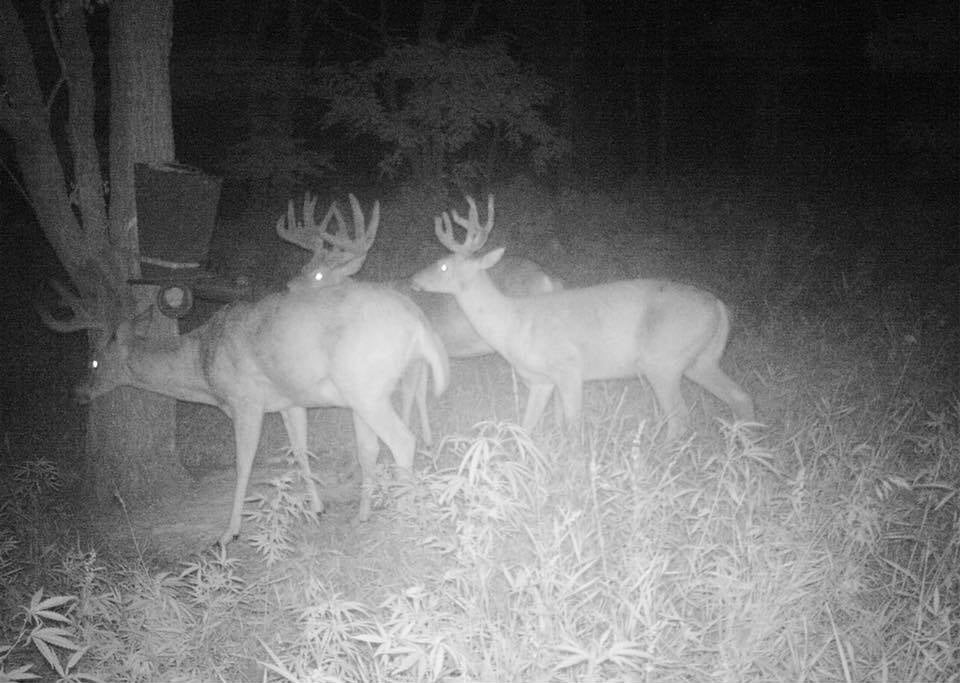
Trail cameras are a great way to capture deer behavior. However, you should check them as infrequently as possible to avoid leaving your scent in the area. Make sure you spray yourself down with a scent eliminating spray every time you check your cameras. Don’t be afraid to let days worth of photos accumulate. This will not only keep the area clear of human scent, it will give you a broader picture to review when you do study the results. This will make you a better hunter by teaching you how to control scent and how to read into deer behavior.
As you prepare for the fall deer season, which opens in just two and a half months in Minnesota on Sept. 16, know that any mistake you make is simply an opportunity to learn and educate yourself as a hunter.
What mistakes have you made as a hunter that you think turned out to make you a better hunter? Let us know in the comments below!
What Makes a Good Blind
Exploring the Rules: Can You Hunt in a National Forest?