
Many hunters hunt on both private and public land, taking the opportunity to make the most out of every acre of hunting land available to them throughout the season; but does this include national forests? If done safely, national forests are a great way to expand your opportunities and experience our great public lands. Check out our tips below for some things you should know before you hunt in a national forest.
Make Sure It’s Legal in Your State
As always, check your state’s regulations on national forest lands before heading out with your equipment. For example, in Minnesota, it is legal to hunt and fish in state forests and wildlife management areas. They do require that you unload and put your firearm in a case and unstring your bow when you’re within 200 feet of a campground, picnic area, beach, parking lot, or any other public space. Our Stump blinds are roomy, so you’ll have plenty of room to dismantle your equipment inside the blind before you leave for the day.
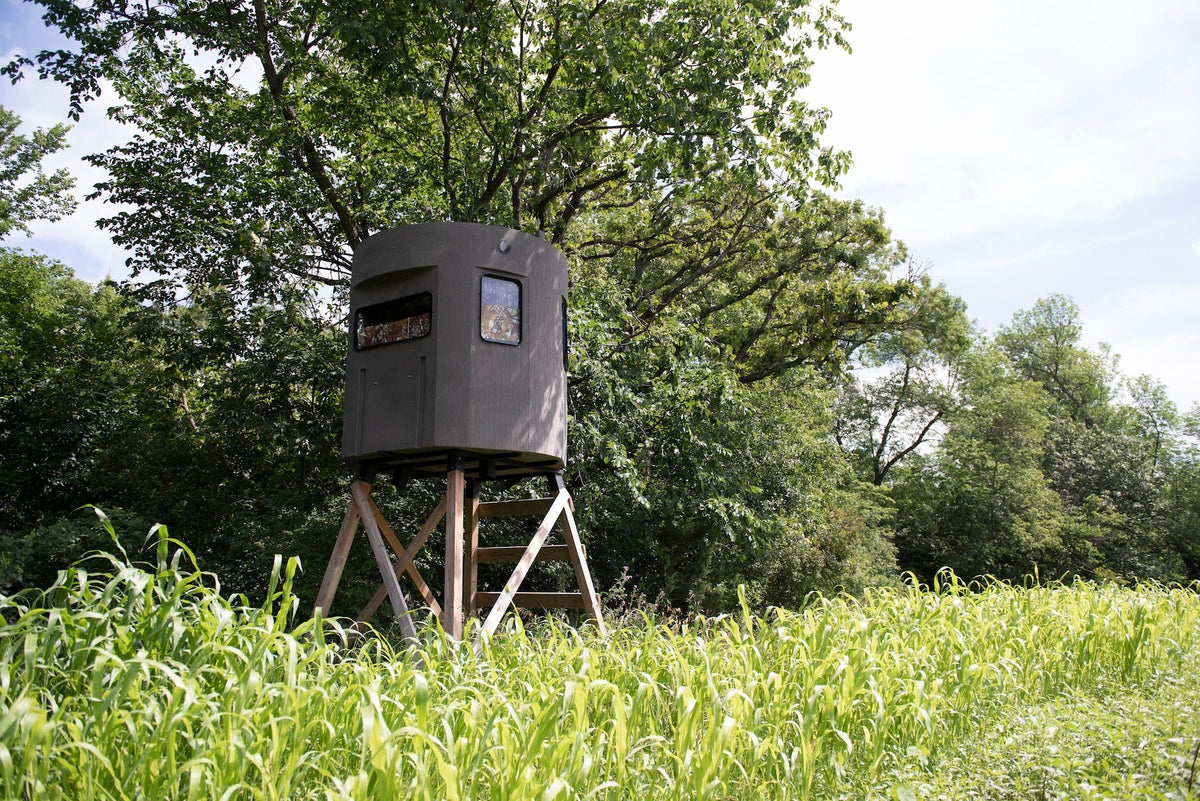
They also prefer that any stands or blinds are temporary. So, make sure you take your Stump blind with you when you’re done for the day. Our Stump blinds have a sled base and a steel hitch that you can hook up to your ATV to move it off the land.
Are National Forests Different?
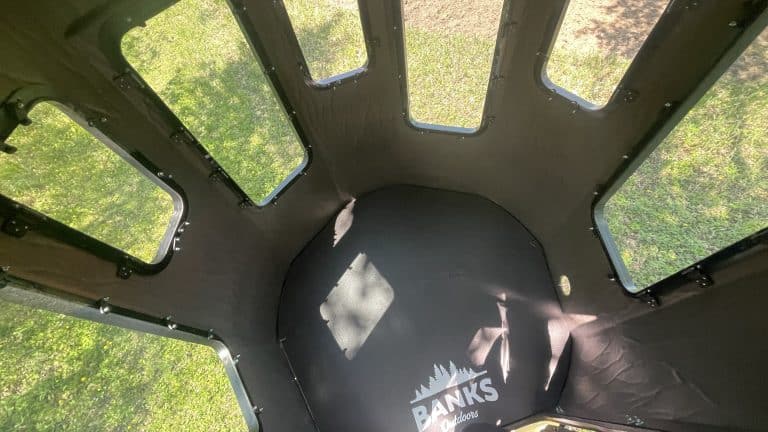
Hunting is also allowed on all Superior National Forest lands in Minnesota, with the exception of recreation sites. The forest service asks that you refrain from discharging your firearm or an arrow within 150 yards of a recreation site. They prohibit shooting across bodies of water or a Forest Service road, so you should set up your blind accordingly. They allow temporary blinds and stands, so you’ll be able to set up your Stump blind anywhere on the land, as long as it’s away from a recreation site and your shooting lane isn’t directly across from a body of water. Deer love a good natural water source, so you’ll want to set up shop near the water, but don’t aim across from it. Make your shooting lane parallel to the water. Stump blinds have multiple window all around the blind, so it won’t be hard to find a window with an open shooting lane that adheres to the guidelines.
Many national forests will require hunters to wear blaze orange on their public lands, so make sure you have a blaze orange vest, hat or other form of clothing. Deer have a variation of color-blindness, so you don’t need to worry about the blaze orange spooking the deer, they won’t be able to tell how vibrant it is, but you’ll be safely seen by other hunters. All hunters must have the appropriate license, tags and permits for their state. As long as you hunt safely, and with the required documents, national forests are a wonderful way to open up your hunting area and experience some of the best natural forest lands in the country.
Wherever you hunt this fall deer season, our Stump blinds will keep you comfortable and functional, allowing you to move your blind on and off the property easily, adhering to whatever your state regulations require.
Have you ever hunted in a national forest? Let us know your experience in the comments below!


Mistakes Every Hunter Makes and How They Make You Better
How to Find Big Bucks on Public Hunting Land